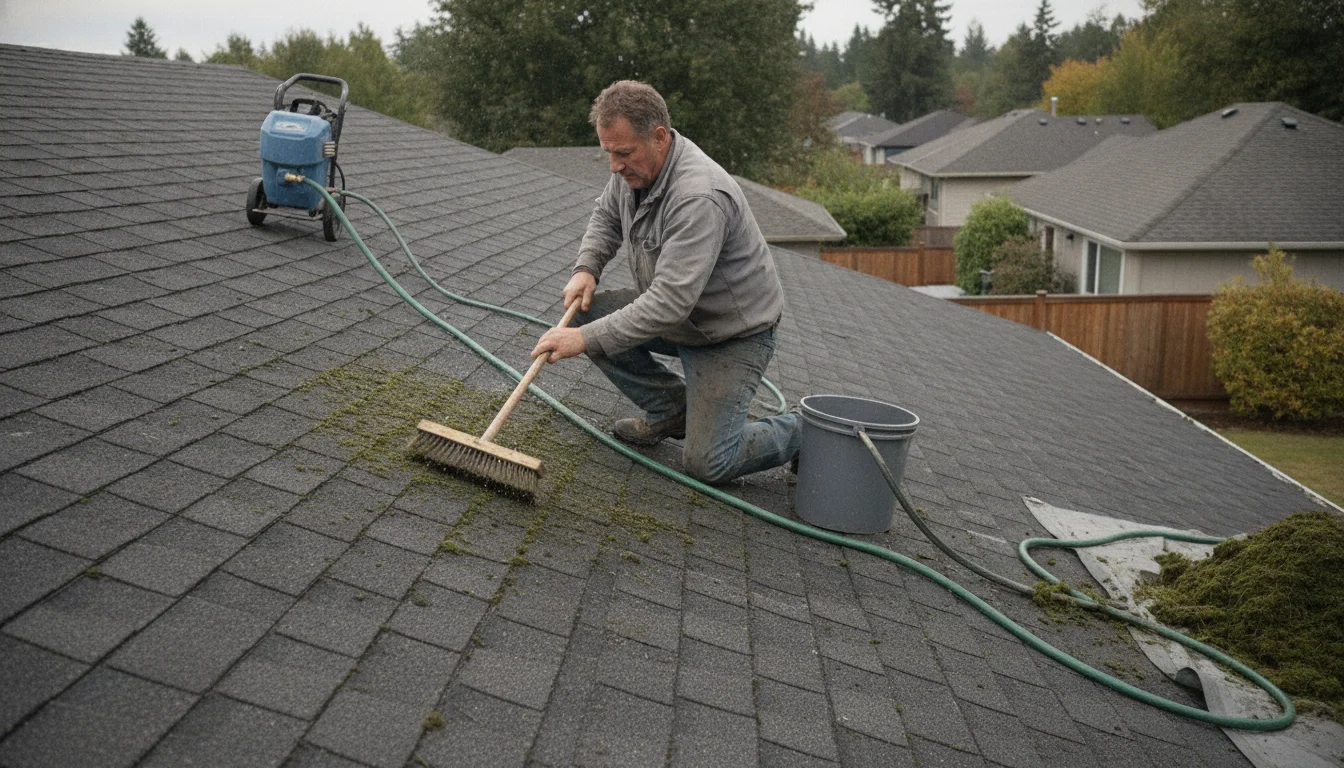
If the siding keeps turning green, the driveway looks worn, and roof streaks won’t quit, you’re likely weighing soft wash vs pressure wash. Here’s the direct answer: soft washing uses low pressure (about 100–500 PSI) with targeted detergents to dissolve organic growth, while pressure washing relies on higher pressure (often 1,500–3,000+ PSI) and water flow to lift grime mechanically. In Sandy Springs, where humidity feeds algae and mildew, matching the method to the surface is the safest way to get lasting results.
Key Takeaways
- Soft washing = low pressure + detergents; pressure washing = higher pressure + mechanical force.
- Use soft washing for siding, stucco, painted wood, and shingle roofs; use pressure on concrete, pavers, and sound masonry.
- Results last longer when organic growth is treated at the source.
- Plant protection, runoff control, and safety gear are essential with either method.
1. Soft Wash vs Pressure Wash: What’s the Real Difference?
Soft washing uses specialized cleaners to break down algae, mildew, and bacteria, then rinses with low pressure—typically around 100–500 PSI through wide fan tips or dedicated soft-wash systems. Solutions often include sodium hypochlorite (the active ingredient in many house washing mixes) and surfactants that help cleaners cling, dwell, and rinse evenly.
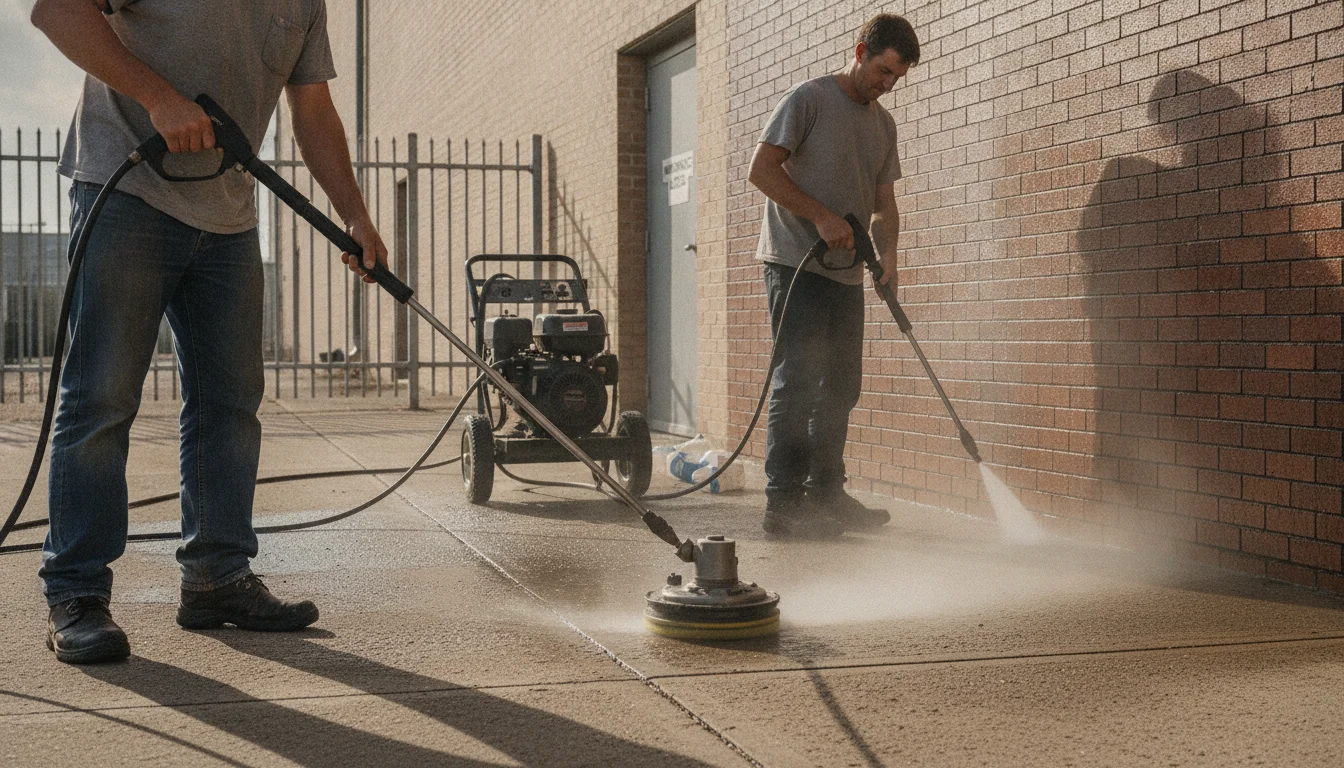
Pressure washing relies on higher PSI—commonly 1,500–3,000+ PSI—using tighter tips (0–25 degrees) or a rotary nozzle to remove grime by force. Gallons per minute (GPM) also matters: higher flow moves soil and rinse water faster, which is especially helpful on flatwork.
Best-fit surfaces:
- Soft wash: vinyl and fiber-cement siding, stucco, painted wood, composite trim, soffits, gutters, and most shingle roofs.
- Pressure wash: concrete driveways and sidewalks, pavers, brick patios, and some masonry where grout or mortar is sound.
2. Pros and Cons: Safety, Results, and Longevity
Soft washing attacks organic growth at the source. Because algae and mildew are neutralized, results on siding and roofs typically last longer than a high-pressure rinse alone. It’s also gentler on finishes, reducing risks like oxidation smears, etching, or forcing water behind siding.
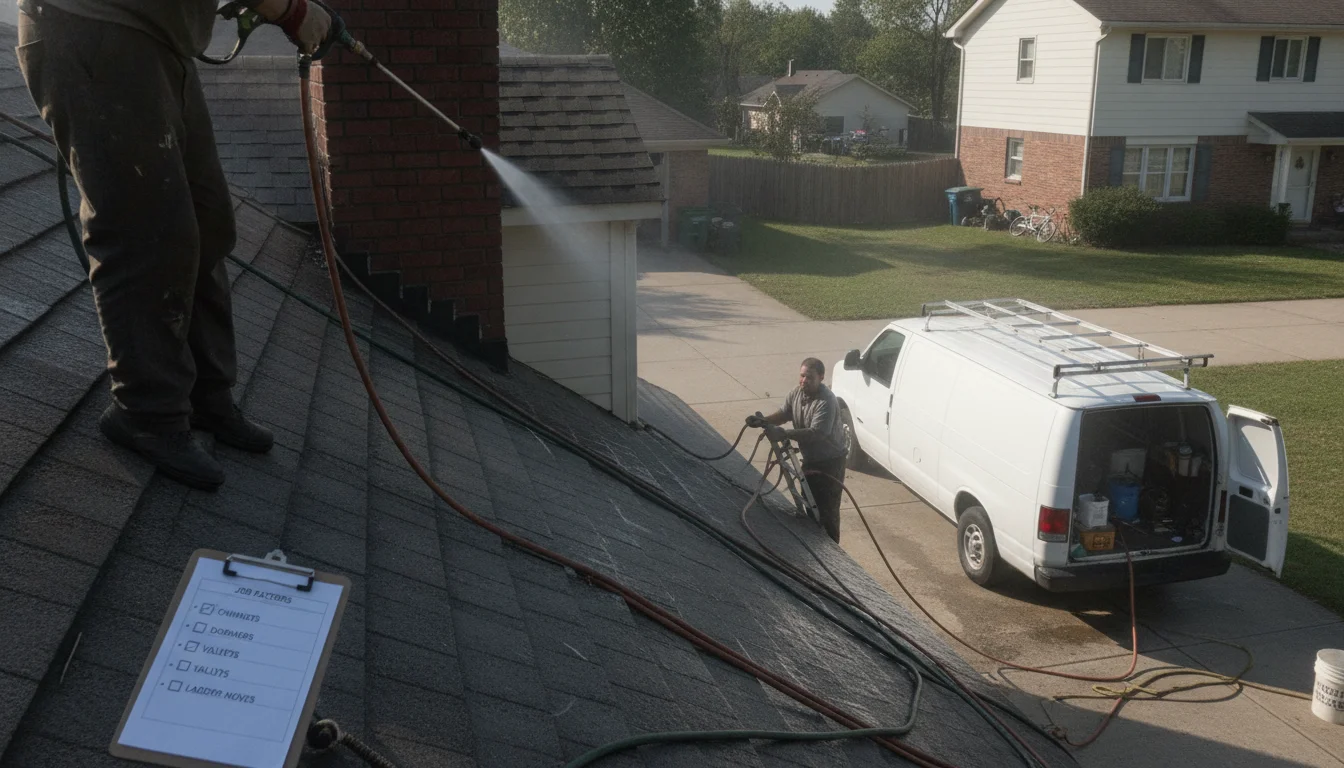
High pressure shines on hard, durable surfaces such as concrete with chewing gum, tire marks, or embedded dirt. Used in the wrong place, though, it can scar wood, damage caulk lines, and—on asphalt shingles—conflict with common shingle care guidance that discourages high-pressure spraying.
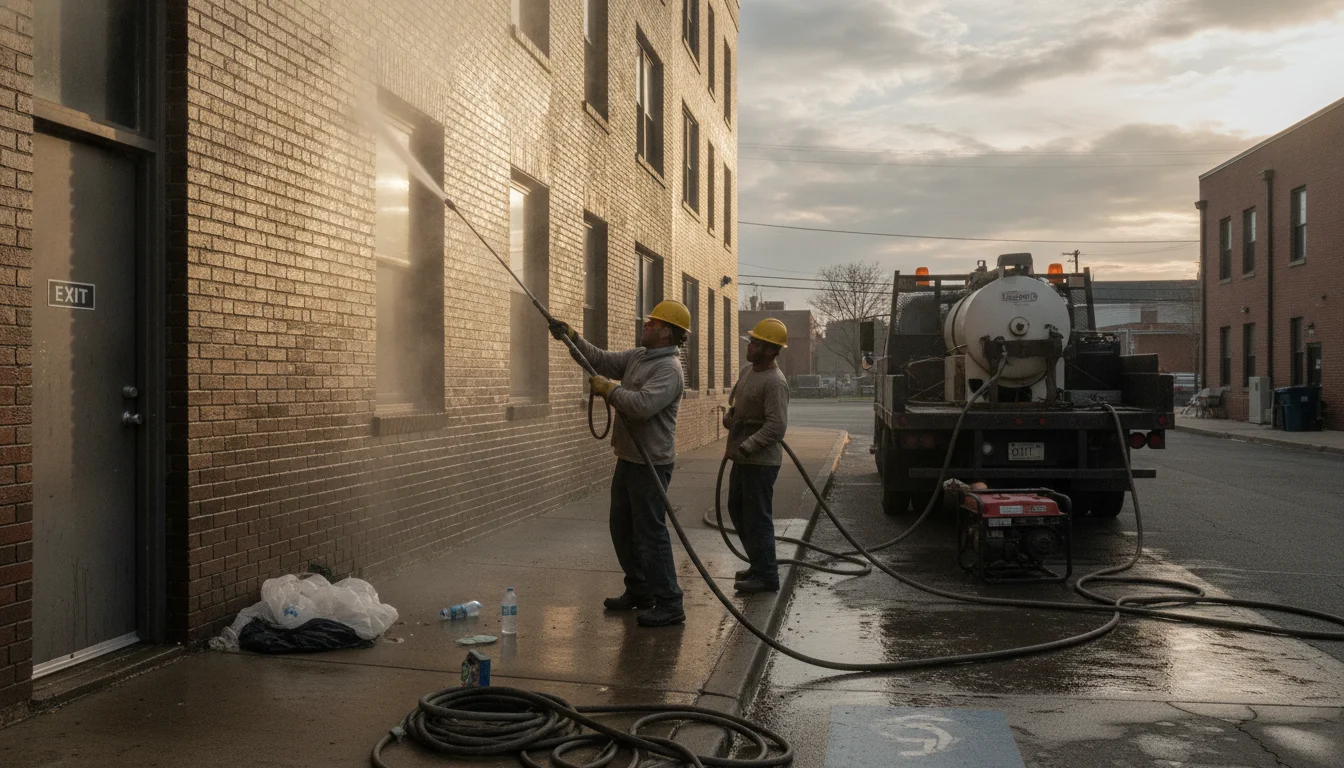
Environmental and safety notes: Soft-wash mixes must be handled with care. Pros pre-wet and cover plants, control runoff, and neutralize when needed. With either method, responsible wastewater management, PPE, and careful setup keep people, pets, and landscaping safe.
3. Choosing the Right Method for Your Home
Match method to material and mess. Algae on vinyl or stucco calls for soft washing that cleans pores without scarring. Oxidation (the chalky film on older siding) is different; it may require a specific restoration process, and too much pressure can leave streaks. Oil stains on a driveway respond best to pressure washing combined with the right cleaner and adequate dwell time.
When soft washing is smarter: delicate siding, painted trim, and roofs with organic staining. When pressure is appropriate: durable flatwork like concrete and brick where mechanical agitation helps. If mortar feels sandy or is crumbling, a gentler approach protects joints.
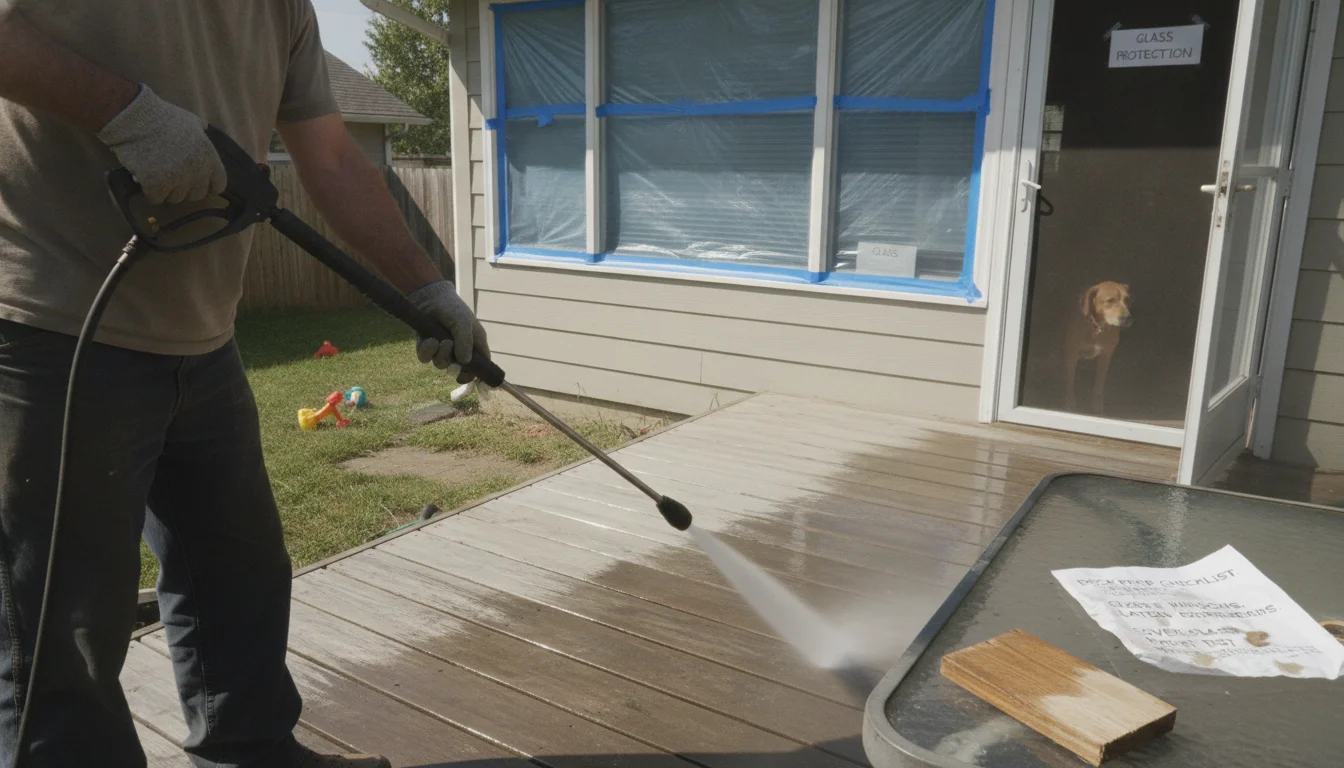
Expected project details: Time on site depends on size, access, and soil level. Preparation typically includes closing windows, removing cushions, covering exterior outlets, and protecting plants. Pressure washing costs and soft washing costs vary by home size, materials, contamination level, and scope of work.
For homeowners comparing options in Sandy Springs, Soft Washing Services in Sandy Springs | Gentle Exterior Cleaning are designed for delicate finishes, while Pressure Washing Services in Sandy Springs | Exterior Cleaning handle concrete and brick effectively.
4. DIY or Hire a Pro?
Many consumer machines emphasize PSI, but GPM, nozzle selection, injectors, and detergent chemistry matter more than raw force. Common DIY mistakes include spraying upward into lap siding, standing too close to concrete (causing etching), and over- or under-mixing cleaners. Soft washing requires controlled application, proper dwell, and thorough rinsing.
Professionals shield landscaping with rinse guards, constant watering, and post-rinses. They also test small areas, adjust PSI on the fly, and tailor chemistry to algae, mildew, rust, or other stains. Ask contractors which surfaces are included, their method by surface, plant protection steps, insurance, and what’s detailed in the written estimate, including cleanup and timelines. Pressure Washing Sandy Springs serves the Sandy Springs community with assessments that prioritize surface safety and long-term cleanliness.
Simple maintenance stretches results: trim vegetation away from walls, keep gutters flowing, rinse pollen and dust from high-touch areas, and schedule periodic checks before growth takes hold.
Conclusion and Key takeaways
Choosing between methods isn’t about which is stronger; it’s about what’s safest and most effective for each surface. Pressure Washing Sandy Springs can assess your siding, masonry, and roof and recommend a plan that keeps finishes intact and algae at bay longer.
- Soft washing is best for siding, stucco, and roofs where low pressure and detergents do the work.
- Pressure washing fits concrete and brick hardscapes that tolerate higher PSI and benefit from flow.
- Longevity improves when organic growth is treated instead of just rinsed.
- Protection of plants, pets, and finishes is non-negotiable—ask exactly how it’s handled.
Ready to choose the right approach for your property? Contact us at Pressure Washing Sandy Springs.
Frequently Asked Questions
Is soft washing safe for vinyl, stucco, and painted wood?
Yes—when done correctly. Soft washing uses low pressure and targeted cleaners to remove algae and mildew without scarring finishes or forcing water behind siding. Pros pre-wet plants, control runoff, and rinse thoroughly, making it a safe choice for delicate exterior house cleaning and routine house washing.
Can you pressure wash a roof?
High pressure on asphalt shingles is widely discouraged because it can strip protective granules and shorten roof life. Soft washing with the right mix, low pressure, and careful rinsing is the recommended approach for organic roof staining. Always follow manufacturer guidance and choose a contractor who respects warranty considerations.
How do I find a reliable soft washing company near me?
Check recent reviews, confirm insurance, and ask about maximum PSI on siding, plant protection steps, and the cleaners used. A clear estimate should explain surfaces covered, methods per surface, and cleanup. Pressure Washing Sandy Springs provides careful assessments tailored to your home and schedule.