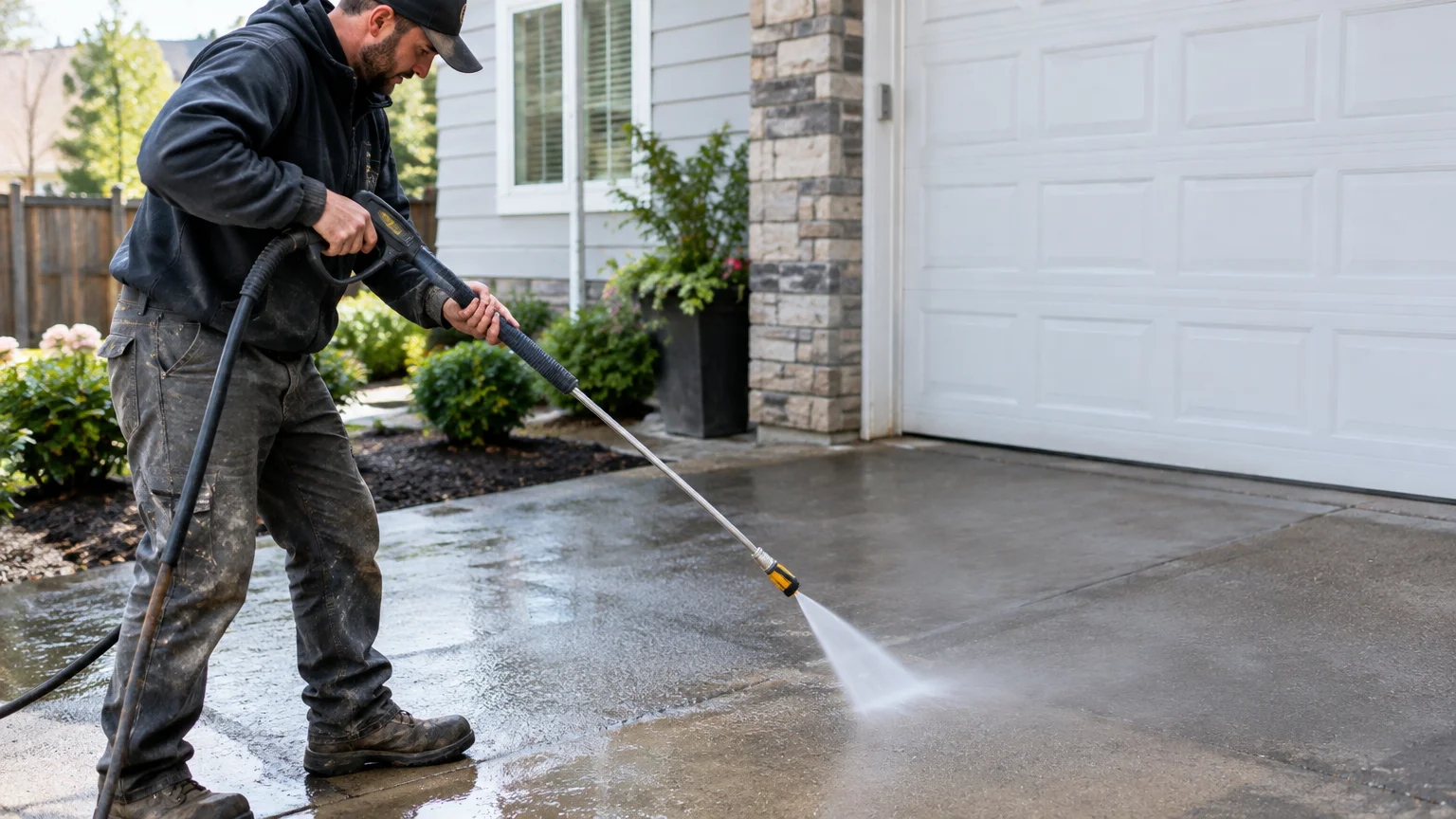
Pressure washing red flags can help homeowners avoid damage, weak service, and hard disputes. The safest choice is a company with clear business details, proper insurance, a clear cleaning plan, and a written quote. A good team also answers questions without rushing you into a quick choice.
Table of Contents
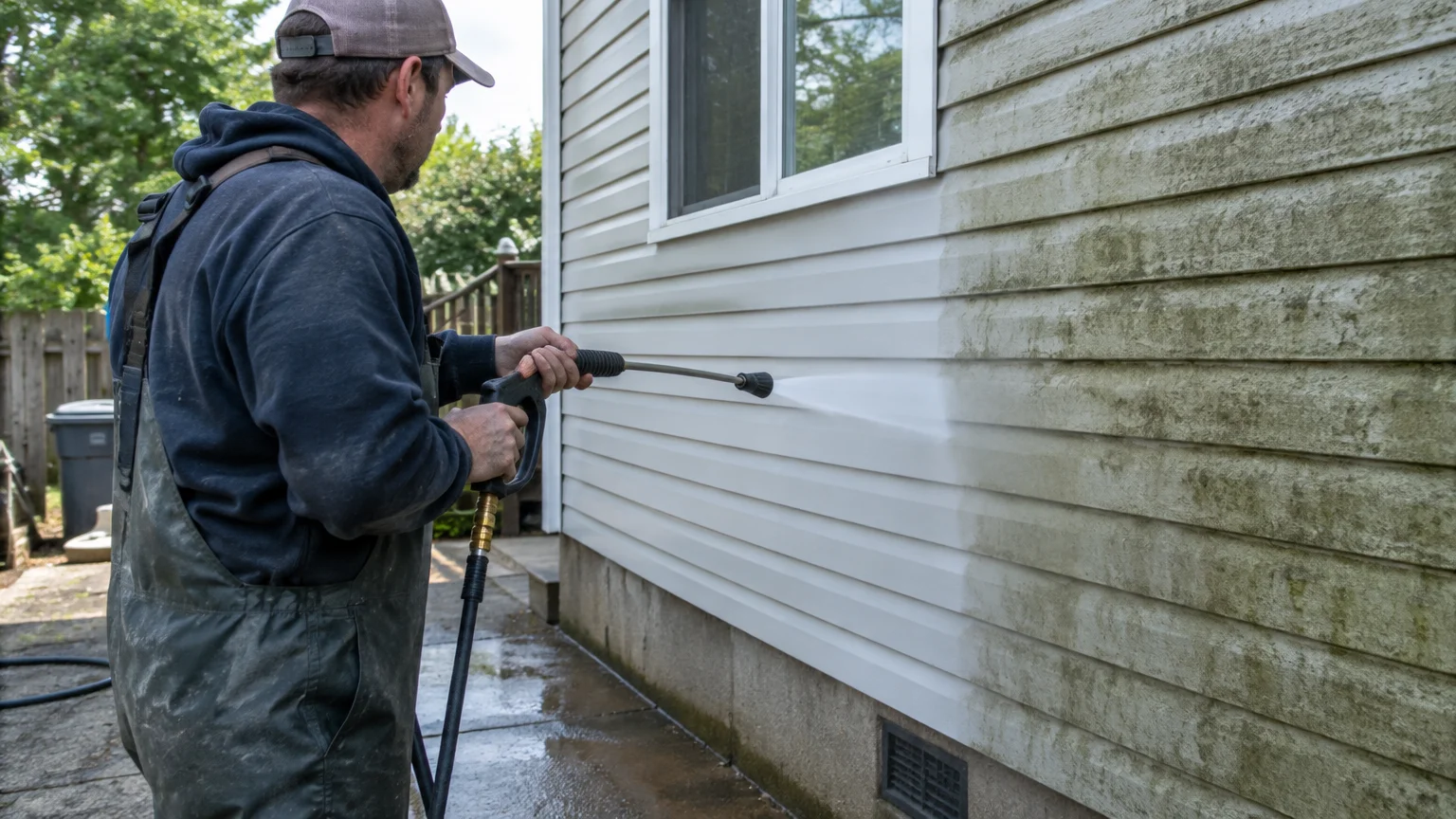
- What are the biggest pressure washing red flags?
- How can you verify a pressure washing company’s credentials?
- What should a pressure washing quote include?
- Which pressure washing methods can damage property?
- How can you spot unreliable reviews and references?
- What should you do when a pressure washing job goes wrong?
- How do you choose a pressure washing company with confidence?
- Frequently Asked Questions
- Key Takeaways
- Conclusion
What are the biggest pressure washing red flags?
The biggest pressure washing red flags include missing business details, rushed sales talk, unclear work plans, and promises that sound too broad. A trusted contractor should explain what will be cleaned, which method will be used, and how nearby plants, windows, paint, and outdoor items will be protected.
How vague business information can signal trouble
A company should make it easy to learn who will do the work. Look for a clear business name, service area, website, work description, and way to reach the team. These details should match across the website, business listings, written quote, and other public records.
Be careful when a provider will not explain its business identity or gives only a first name. A contractor who avoids written details may be hard to reach if a surface is damaged or the work is not complete. Pressure Washing Sandy Springs helps Sandy Springs property owners compare service plans by looking for clear work details instead of vague promises.
Another warning sign is a promise that every surface can be cleaned in the same way. Concrete, wood, brick, stucco, roof shingles, and painted siding all need different care. A good contractor asks about the surface before choosing water pressure, flow, or cleaning products.
Why rushed decisions and pressure tactics deserve caution
High-pressure sales talk does not mean better cleaning. You should have time to review the work, ask questions, and compare companies. Be careful if a worker says you must decide at once, refuses to leave written details, or changes the work plan during a sales call.
A dependable company should welcome questions about insurance, preparation, runoff, damage claims, and cleanup. It should also explain what you need to move, unlock, cover, or protect before service. Pressure washing red flags often become clear when a provider reacts badly to normal questions.
How can you verify a pressure washing company’s credentials?
You can check credentials by reviewing the company’s legal details, insurance, local rules, training, and past work. Rules vary by state and local area, so the contractor should explain which records apply to the job in Georgia and Sandy Springs.
Licensing, insurance, and business registration
Ask whether the company holds any license or registration required for its work. Some places require business registration, contractor licensing, or special rules for certain property services. A company should answer clearly and provide details that you can check with the proper government office when needed.
Insurance matters because pressure washing can affect siding, windows, paint, plants, vehicles, and walkways. Ask what type of coverage the business carries and whether it covers the planned work. A vague statement such as “everything is covered” does not tell you enough.
You should also ask who will perform the work. A company that uses employees or outside workers should explain who is responsible for the service and any follow-up. Pressure Washing Sandy Springs should be judged by the same standard as any local contractor: clear records, honest answers, and a plan that fits the property.
Training, experience, and property-specific knowledge
Experience matters most when it matches the surface being cleaned. A provider may know how to clean driveways but have little experience with old brick, delicate wood, roof materials, solar panels, or painted stucco. The contractor should explain how it handles each surface before work starts.
Ask for examples of similar projects. You may want to know whether the company has cleaned the same type of siding, how it protects plants, and how it handles dirty water. The answers should be practical, not just broad claims about being the best.
A professional also knows when you do not need a pressure washer. Sweeping, light rinsing, and routine upkeep may be safe for some surfaces. Roof cleaning, high work, electrical areas, fragile materials, and strong chemicals call for trained help.
What should a pressure washing quote include?
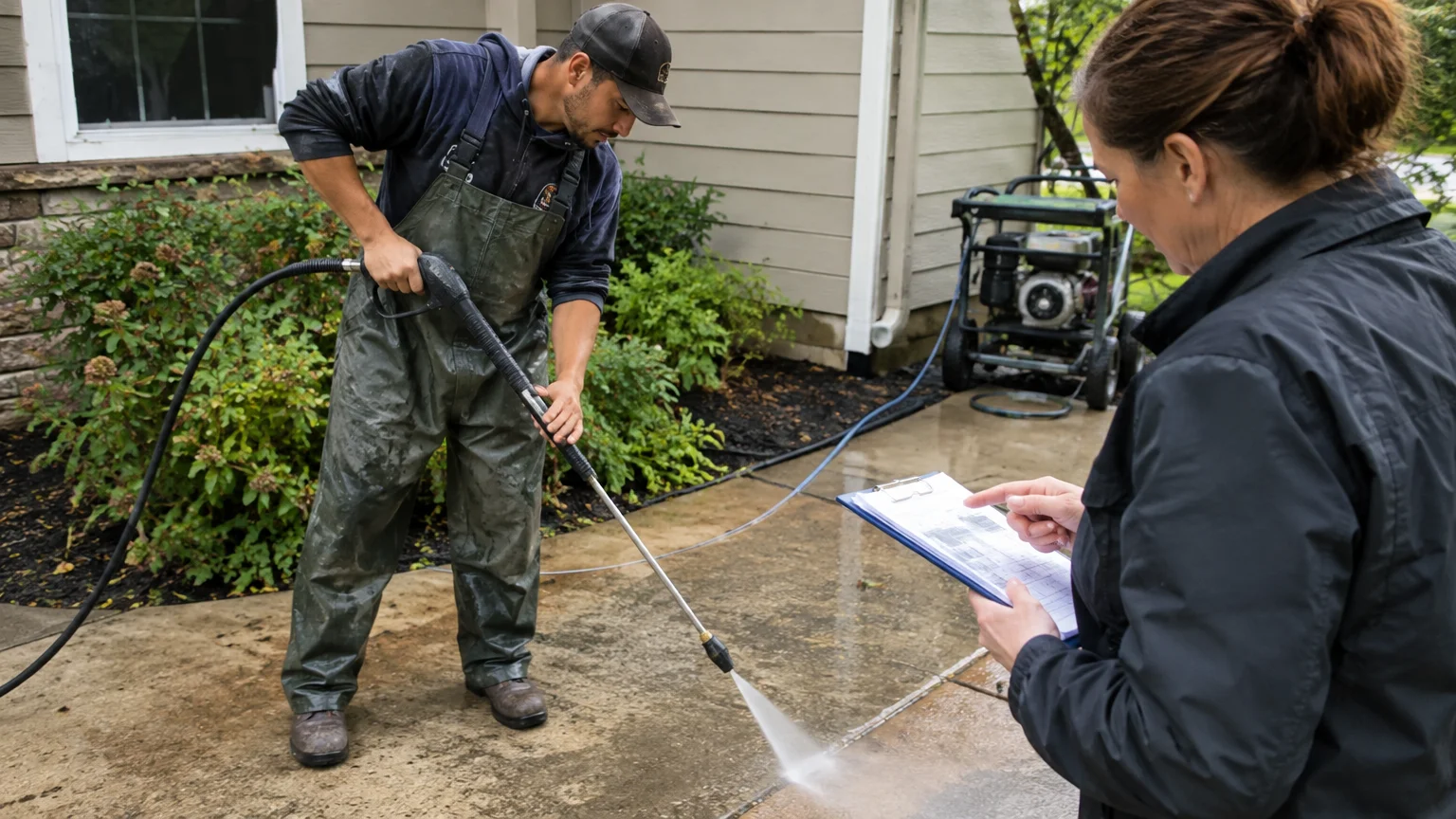
A clear written quote should explain the work, surfaces, preparation, cleaning method, follow-up terms, and what you must do before the visit. The final amount should be confirmed in the quote, and you should review it before approving the service. Pressure washing costs can change with the size of the area, access, buildup, surface type, and work needed.
The details a clear written quote should cover
The quote should name the areas to be cleaned. It should say whether the work includes a driveway, patio, pool deck, siding, fence, roof, deck, or commercial exterior. It should also explain whether stains, mildew, algae, oil marks, and heavy buildup receive special treatment.
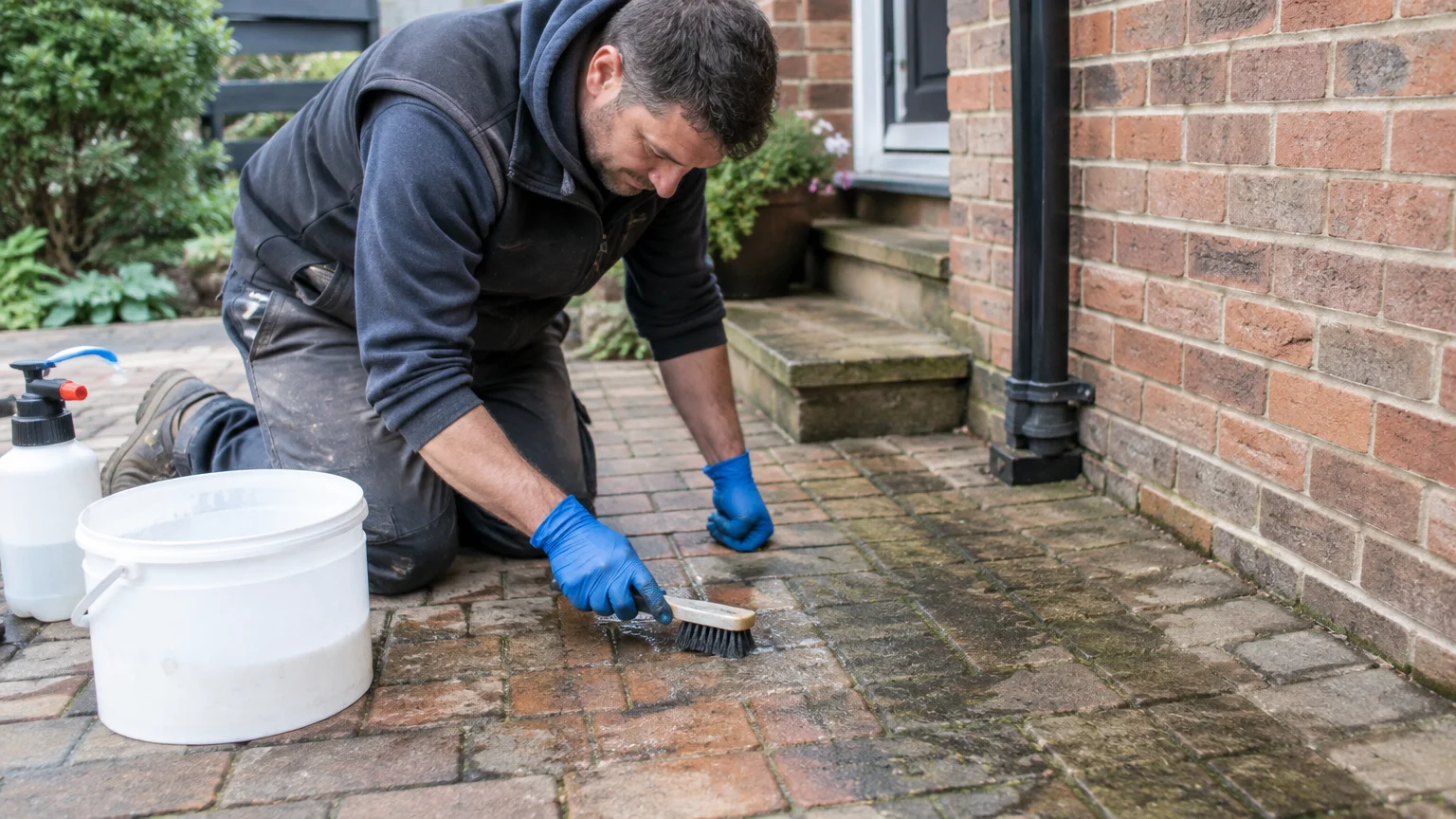
A useful quote also explains the method. Pressure washing uses pressurized water, while soft washing uses lower pressure with cleaning solutions and careful rinsing. Neither method fits every surface. The contractor should explain why the selected method suits the property.
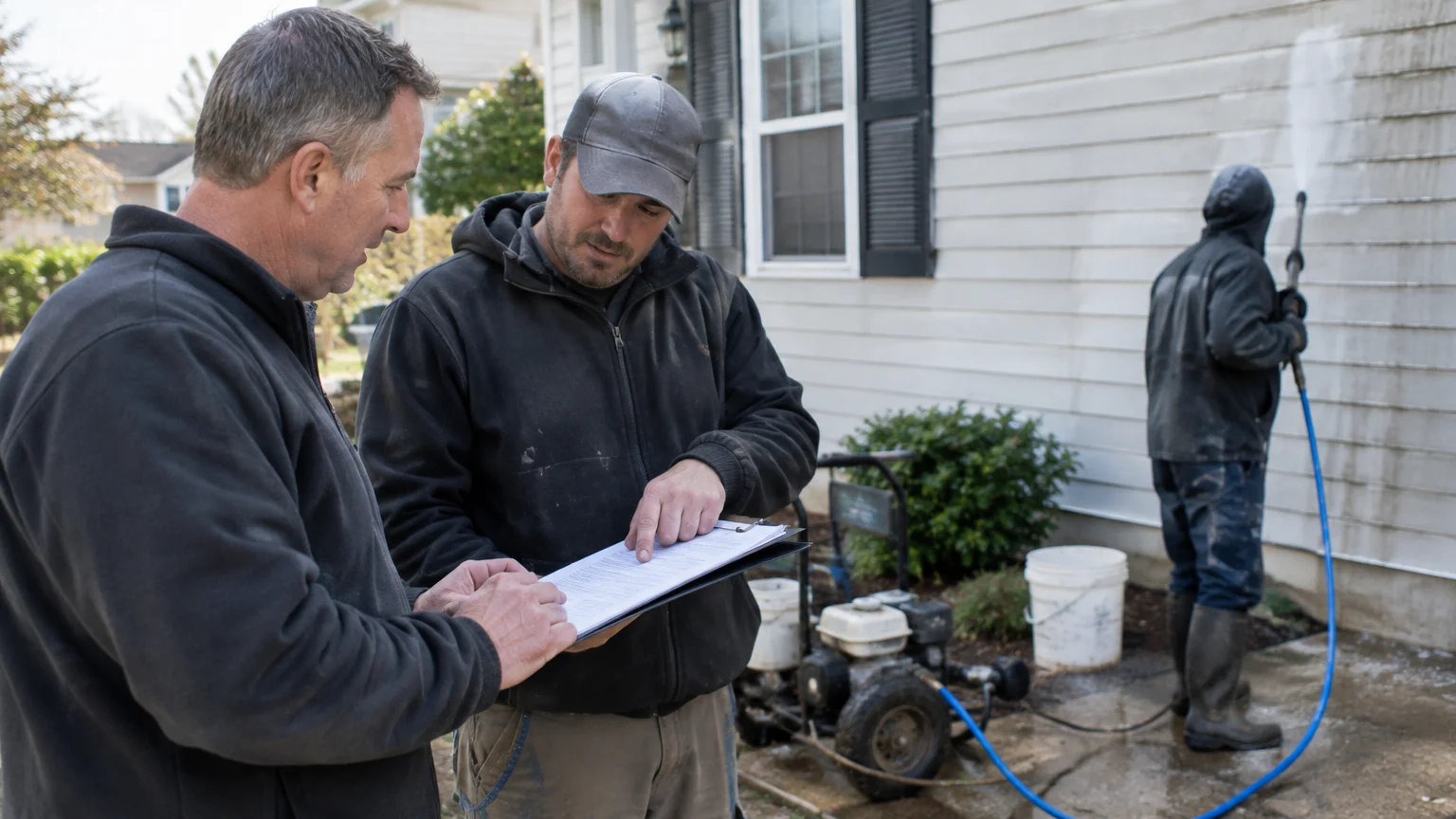
The written plan should cover preparation and cleanup. It may tell you to close windows, move outdoor furniture, unlock gates, or keep pets inside. It should also explain how the team will protect plants, lights, outlets, doors, and nearby vehicles. If you need driveway washing prep, the company should explain what must be moved or cleared first.
Warning signs in vague, changing, or incomplete estimates
Be cautious when a quote uses broad wording such as “whole house cleaning” without naming surfaces or limits. A vague plan can lead to disagreement about what was included. Another warning sign is a quote that changes without a clear reason or adds work that was never discussed.
Ask how missed areas, weather delays, damage concerns, and return visits are handled. A good contractor will not promise that every stain will vanish. Some marks may be deep, old, or permanent, and the quote should set honest expectations.
Do not approve work based only on a spoken promise. Keep the written quote, messages, photos, and notes. These records help both sides understand the agreed plan and may help if a dispute develops.
Which pressure washing methods can damage property?
The wrong pressure, nozzle, water flow, or cleaning solution can damage property. High pressure may strip paint, cut wood fibers, loosen mortar, break seals, damage screens, or force water behind siding. The safest method depends on the material, age, condition, and location.
Why the wrong pressure or cleaning solution is risky
Wood decks can show marks or splinter when cleaned too hard. Brick and mortar may suffer when a narrow spray is held too close. Stucco can crack or shed its finish if treated poorly. Roof shingles may lose protective material when cleaned with harsh pressure.
Soft washing does not mean a surface cannot be damaged. It uses lower pressure but may involve cleaning solutions that need proper mixing, wait time, rinsing, and runoff control. A contractor should explain how it protects plants, pets, fish ponds, gutters, and nearby surfaces.
Solar panels also need care. A homeowner searching for who cleans solar panels near me should look for a provider with panel-specific knowledge. The company should explain whether it cleans the panels, what tools it uses, and how it avoids damage to frames, seals, wiring, and the roof.
Questions to ask about surfaces, runoff, and preparation
A homeowner should ask these questions before work begins:
- Which cleaning method is planned for each surface?
- How will windows, plants, outlets, doors, and vehicles be protected?
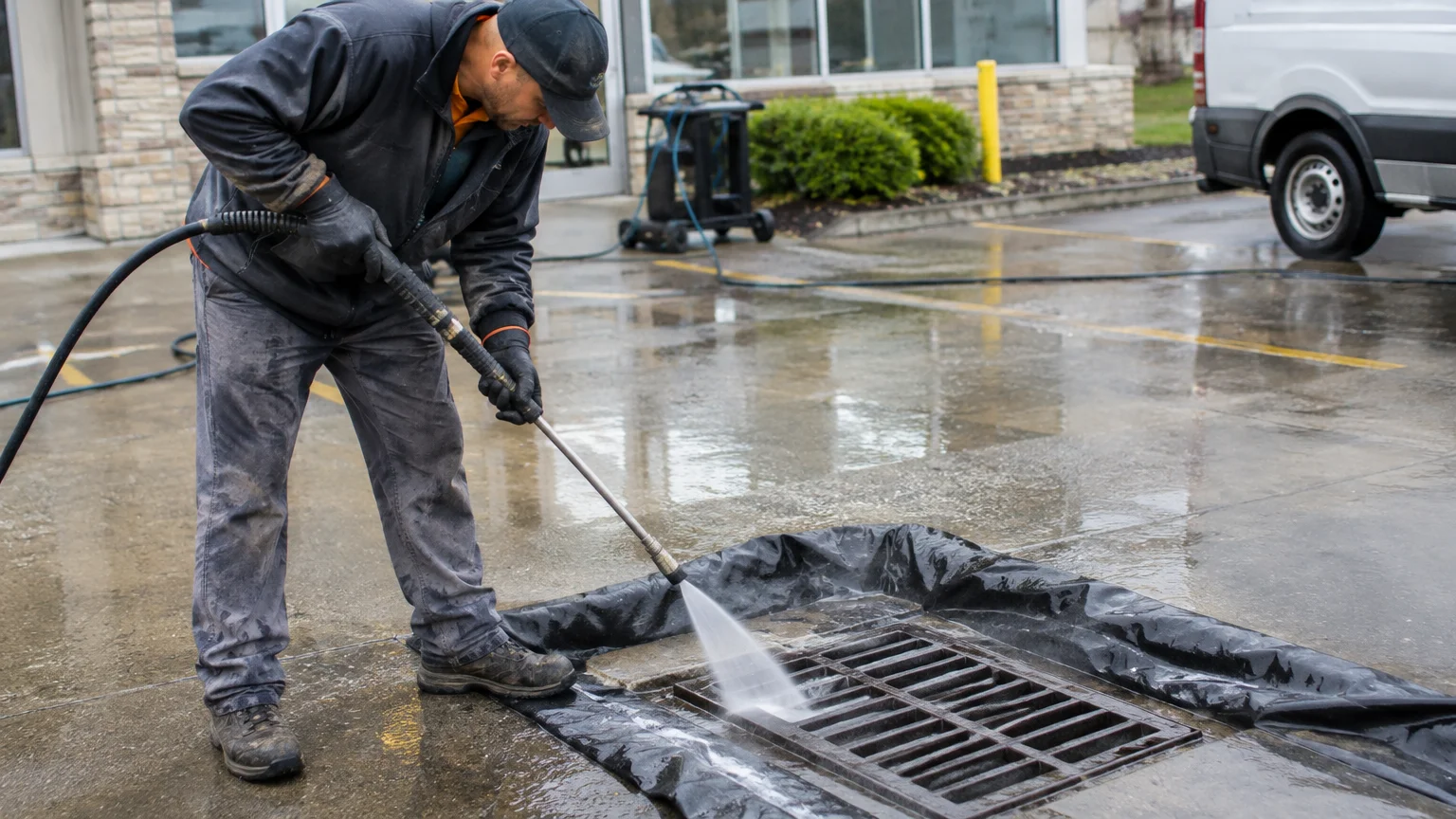
- How will dirty water and cleaning products be controlled?
- What areas should the customer move, cover, or keep closed?
- What surface damage or stains may remain after cleaning?
The difference between pressure washing and soft washing should be explained in plain language. A careful contractor will also inspect the property before spraying. That inspection can reveal loose paint, cracked mortar, weak seals, brittle materials, or other conditions that change the work plan.
How can you spot unreliable reviews and references?
You can spot unreliable reviews by checking for repeated wording, vague praise, unusual bursts of reviews, and comments that do not describe the actual service. Strong feedback usually explains what was cleaned, how the team worked, and whether the company communicated well.
What to look for when evaluating online feedback
Read reviews as a group, rather than judging the company by one perfect comment or one angry complaint. Look for patterns in arrival times, care, cleanup, surface knowledge, and response to concerns. Recent feedback can show how the business works now, while older reviews may describe a different team.
A company should respond to serious complaints in a calm and useful way. The response should not reveal private information or attack the customer. A professional reply may explain that the business is reviewing the issue and will contact the customer through a private channel.
Photos can help, but they need context. Before-and-after images may use different lighting, camera angles, or crop sizes. Ask whether the examples show similar surfaces and conditions. Photos alone cannot prove that the company used a safe method.
How consistent references and project examples build confidence
A contractor who can describe similar work gives you more useful information than one making broad claims. Ask for examples involving the same type of home, building, deck, patio, roof, or concrete surface. The goal is to learn how the company thinks about risk and preparation.
References should be handled with respect. You should not demand private information, but the company may share public project details or customer feedback with permission. Consistent answers across reviews, references, and the written quote can build trust.
In Sandy Springs, weather and property type can affect buildup on outdoor surfaces. Pressure Washing Sandy Springs should explain how local conditions may affect cleaning without claiming that every property needs the same service.
What should you do when a pressure washing job goes wrong?
When a pressure washing job goes wrong, stay calm, document the problem, contact the company in writing, and ask for a clear correction plan. Photos, the quote, messages, payment records, and service dates can help show what happened.
Documenting damage, missed work, and communication
Take clear photos as soon as it is safe. Include wide shots that show the location and close shots that show marks, broken items, overspray, plant damage, or missed areas. Note when the issue was found and whether it appeared during or after the service.
Keep the original quote and all messages. Write down what the contractor promised, what work was completed, and what the team said when concerns were raised. Avoid making repairs before the company can inspect the issue, unless waiting could cause more damage or create a safety risk.
If the problem affects an important building part, you may need an assessment from a qualified specialist. A roofer, window professional, painter, or masonry expert may help explain the condition. Ask for written findings when possible.
Steps for requesting correction or pursuing a dispute
Start by sending a clear message that describes the issue. Include photos and refer to the agreed work. Ask the company whether it will inspect, correct, or otherwise address the problem. Give the business a fair chance to respond.
If communication fails, review the contract for dispute terms. Depending on the situation, other options may include contacting an insurer, local licensing office, consumer protection agency, or small claims court. The best path depends on the location, contract, damage, and evidence.
Do not make threats or post private information online. A factual record is more useful than an angry exchange. Pressure washing red flags matter before hiring, but careful records can also help protect you after service.
How do you choose a pressure washing company with confidence?
You can choose with confidence by comparing clear work plans, verified credentials, surface knowledge, reviews, communication, and service-day steps. The best fit is not always the company with the biggest claim. It is the company that explains the work and respects your property.
A practical comparison checklist before hiring
Before choosing a contractor, review this checklist:
- The business name and contact details are clear and consistent.
- Required licensing or registration can be checked when needed.
- Insurance information is explained in a useful way.
- The quote names surfaces, methods, preparation, and cleanup.
- The contractor answers questions without rushing your choice.
- Reviews and project examples match the work being planned.
- The company explains how it handles damage or missed work.
This process works for homes, rental properties, commercial buildings, and investment properties. Property owners should also ask who will receive notices, approve changes, and inspect the finished work. Tenants should follow lease rules before arranging exterior cleaning.
What a professional service day should look like
A professional service day starts with a property check and a review of the work plan. The crew should confirm access, protect sensitive areas, and point out conditions that may affect results. It should not begin by spraying every surface with the same pressure.
During the work, the team should manage hoses, runoff, equipment, and nearby people. Workers should use suitable protective gear and keep customers informed about changes. Afterward, the crew should rinse or clean the work area, remove equipment, and review the completed sections.
A final walk-through gives you a chance to ask about results and remaining stains. Pressure Washing Sandy Springs can help property owners decide whether a cleaning plan fits the surface, access, and condition of the property.
Frequently Asked Questions
What is the biggest warning sign when hiring a pressure washing company?
The biggest warning sign is a company that avoids clear answers about its identity, insurance, cleaning method, or written work plan. Rushed choices and broad promises also deserve caution. A reliable contractor should explain limits, protect nearby property, and give you time to review the details.
What questions should a homeowner ask a pressure washing company?
Ask which method fits each surface, how plants and windows will be protected, what preparation is needed, and what results are realistic. It is also wise to ask about insurance, required credentials, runoff control, cleanup, missed areas, damage concerns, and how changes will be approved.
What is the difference between pressure washing and soft washing?
Pressure washing uses stronger water pressure to remove buildup from suitable hard surfaces. Soft washing uses lower pressure with cleaning solutions and careful rinsing. The safer choice depends on the surface and its condition. A trained contractor should explain the method instead of using one approach everywhere.
Does soft washing damage stucco?
Soft washing does not always damage stucco, but poor technique can. The contractor should check for cracks, loose finish, weak seals, and places where water may enter. Proper solution control, gentle application, suitable rinsing, and careful runoff management help lower the risk.
Can a homeowner pressure wash a deck?
A homeowner may handle light cleaning when the deck material, equipment, and conditions are suitable. Do not hold the spray close or aim it at joints and edges. Older wood, painted decks, high areas, and heavy growth may need professional care to avoid surface damage.
Key Takeaways
- Clear business details matter: A contractor should explain who will perform the work and how you can verify the business.
- The method must fit the surface: Wood, brick, stucco, roofs, concrete, and panels need different care.
- Written details prevent disputes: The quote should name the work, preparation, method, cleanup, and follow-up process.
- Reviews need context: Look for patterns, similar projects, honest responses, and clear examples.
- Good records help after problems: Save photos, quotes, messages, service dates, and written requests for correction.
Conclusion
Choosing a pressure washing company takes more than comparing quick promises. Homeowners and property managers should look for clear credentials, honest methods, detailed written plans, reliable reviews, and respectful communication. These checks can help reduce the risk of damage, missed work, and difficult disputes.
The safest contractor treats each surface as different and explains what the service can and cannot do. With careful questions and a written plan, customers in Sandy Springs, North Springs, Riverside, Dunwoody, Roswell, Brookhaven, East Cobb, and nearby areas can make a better choice for homes and commercial properties.
If you are not sure what you are dealing with, have someone inspect it before it becomes a bigger job. Contact us at Pressure Washing Sandy Springs to discuss the right next step for your property.