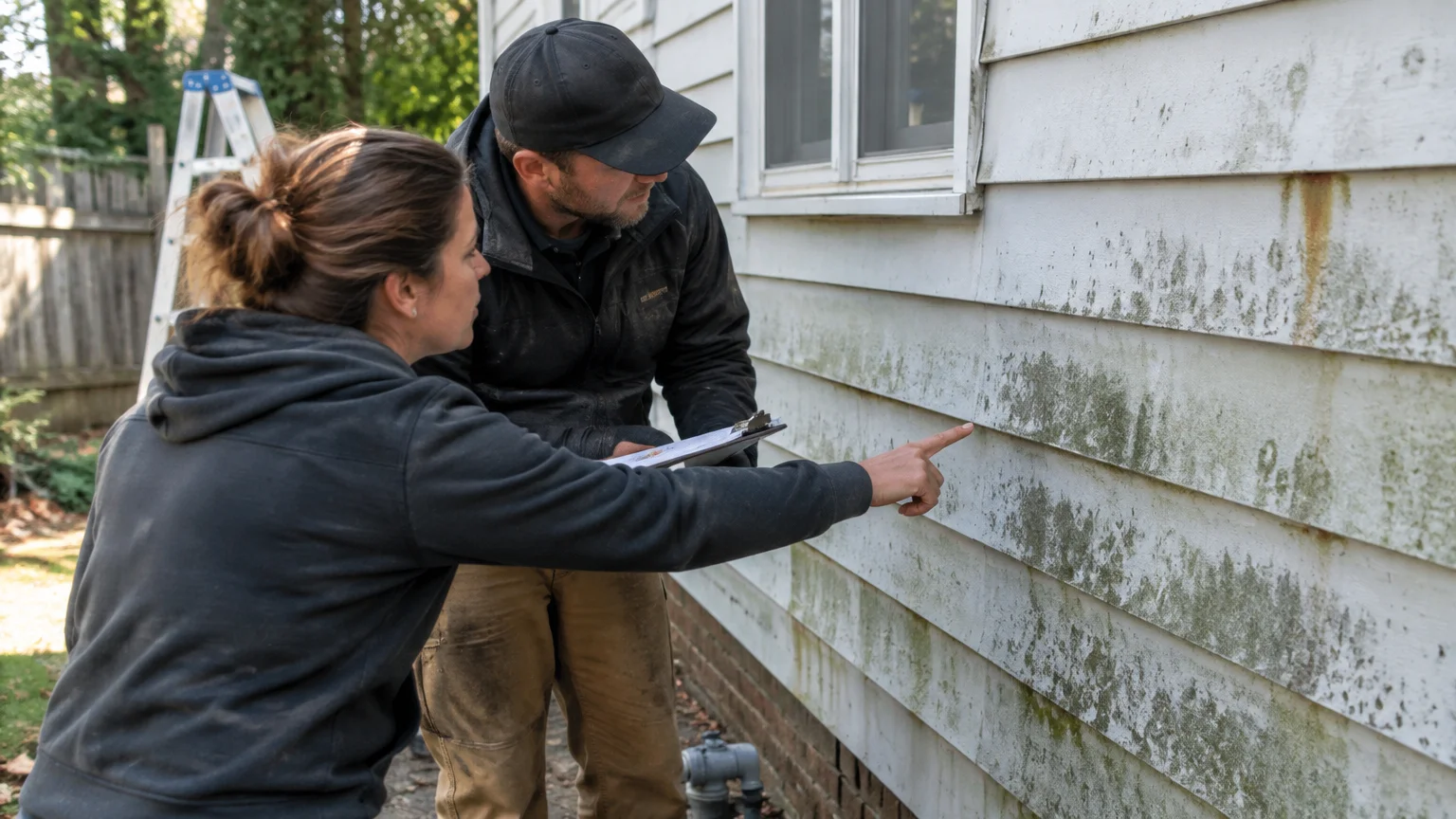
Exterior prep before house washing helps protect siding, windows, plants, and outdoor items. Walk around the home, close all openings, move loose objects, and point out stains or damage. These simple steps give the cleaning team a safer work area and help them choose the right method for each surface.
Table of Contents
- Why is exterior preparation important before house washing?
- What should you inspect around the exterior before washing?
- How should you protect doors, windows, plants, and outdoor items?
- Should you close windows and check outdoor connections before washing?
- What cleaning concerns should you identify before house washing?
- What should homeowners avoid doing before professional house washing?
- What is the final exterior prep checklist before house washing?
Why is exterior preparation important before house washing?
Exterior preparation lowers risk and helps the visit run well. A clear work area gives the crew better access to siding, brick, stucco, trim, and other surfaces. It also helps them find weak spots that need gentle care before water and cleaning solution reach the walls.
How preparation protects your home and improves cleaning results
Preparation does not replace professional skill. It gives the team useful details about the home. A homeowner may know about a loose shutter, a leaking window, or weak paint that is hard to see from the ground.
The best cleaning method depends on the surface and the buildup. Soft washing uses low water pressure and a cleaning solution. This method often suits delicate siding and painted areas better than a strong spray. Brick, stucco, vinyl, and wood may each need different care.
A clear work zone also helps prevent trips and delays. Toys, planters, hoses, and chairs can block access around the walls. Moving them before the visit lets the crew focus on cleaning instead of clearing small obstacles.
What can go wrong when preparation is skipped
Open windows can let water enter the home. Loose decorations can fall. Weak paint may peel when water reaches it. Plants may also need extra care when they grow close to the walls.
Homeowners do not need special tools for most preparation. They can clear items, close openings, and report concerns on their own. For surface testing or stain treatment, it is safer to let a trained professional choose the right method.
Pressure Washing Sandy Springs helps property owners plan house washing around the home’s condition. In Sandy Springs, a short review before cleaning can make the visit safer and more efficient. This applies to houses, rental homes, small businesses, and other properties.
What should you inspect around the exterior before washing?
Walk around the property and look for damage before washing starts. Check siding, brick, stucco, trim, gutters, windows, doors, and painted surfaces. Mark any weak or broken area and share it with the cleaning team.
Checking siding, brick, stucco, trim, and painted surfaces
Look for cracked siding, lifted panels, missing mortar, chipped stucco, and peeling paint. Check trim around windows and doors for gaps or soft wood. A small defect may not cause trouble during normal weather, but water can reveal it during cleaning.
Vinyl siding can collect dirt, algae, and mildew along shaded walls. Brick may hold dark soil in its joints. Stucco can have small cracks or worn areas that need low-pressure cleaning. Painted surfaces may need gentle care to avoid lifting old paint.
Check gutters and downspouts too. Loose sections can move when water reaches them. A blocked downspout may send dirty water across a walkway or planting bed. This issue can also make the wall stay wet after the visit.
Identifying damage, loose materials, and areas needing special care
Inspect the whole wall, not only the front entry. Walk around corners and look beneath windows. Check fences, decks, porch ceilings, and outdoor structures if they are part of the planned work.
You can take notes or pictures for reference. The team can compare the surface before and after cleaning. This review may show which stains were removed and which marks are deeper damage.
Do not scrape, patch, or paint damaged areas just before washing. Fresh repairs may need time to set. The cleaning professional can explain whether washing should happen before or after repair work.
If you are also planning driveway washing prep, clear vehicles, toys, bins, and loose items from the driveway. Tell the team about cracks, oil marks, loose edges, or nearby doors. The same simple review can help protect other outdoor surfaces.
How should you protect doors, windows, plants, and outdoor items?
Move loose items away from exterior walls and protect plants near the work area. Windows and doors should close fully. Furniture, toys, decorations, grills, and tools should move to a dry, safe place.
Moving or covering furniture, decorations, and equipment
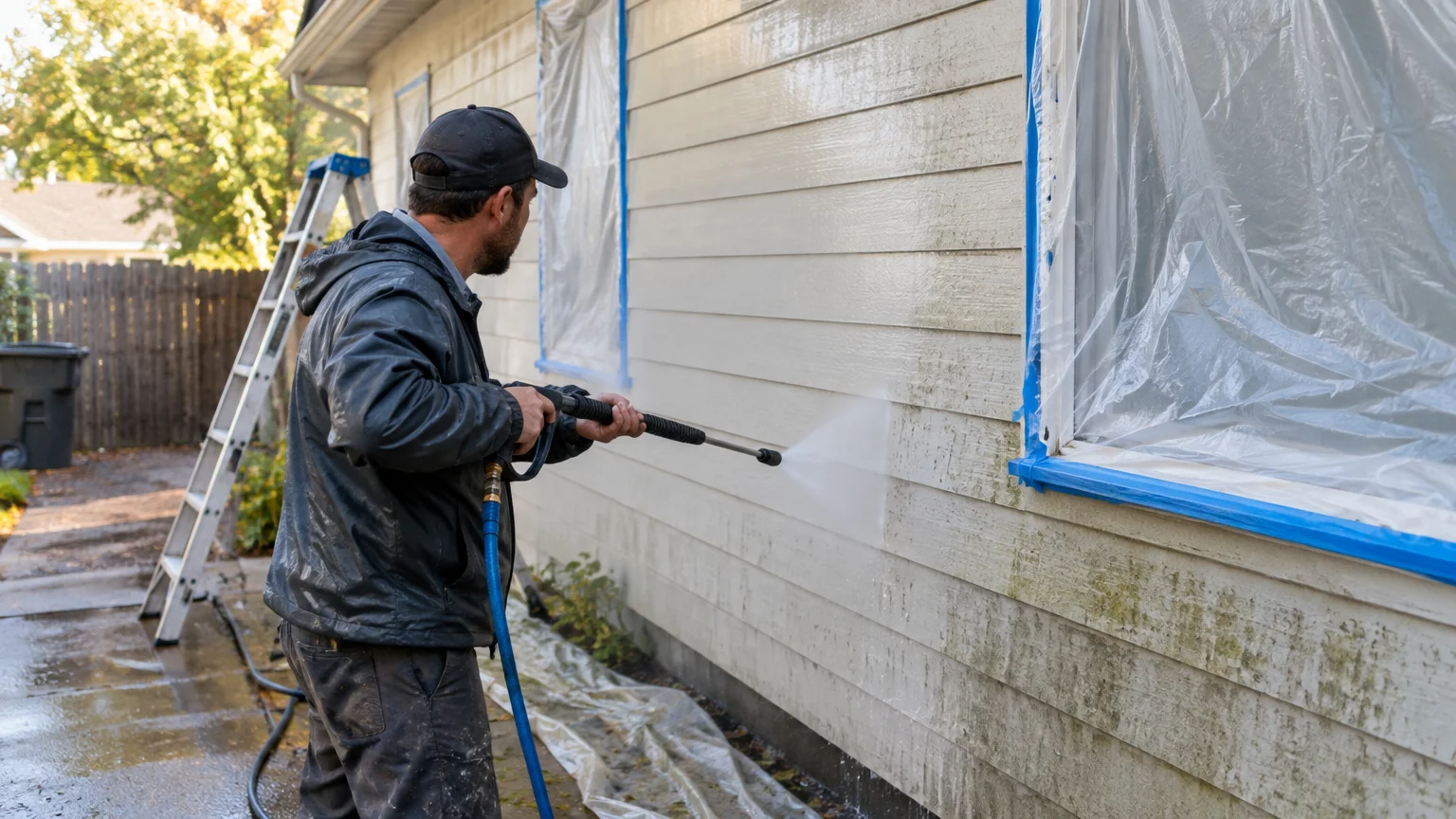
Clear a path around the home so the crew can reach each side. Move patio furniture, small play equipment, planters, rugs, and garden tools. Cover large items that cannot move, but ask the cleaning team which covers are safe.
Outdoor lights, cameras, speakers, and decorations need a close look. Remove or secure loose items. Delicate objects should not stay near the spray area unless the team confirms they are protected.
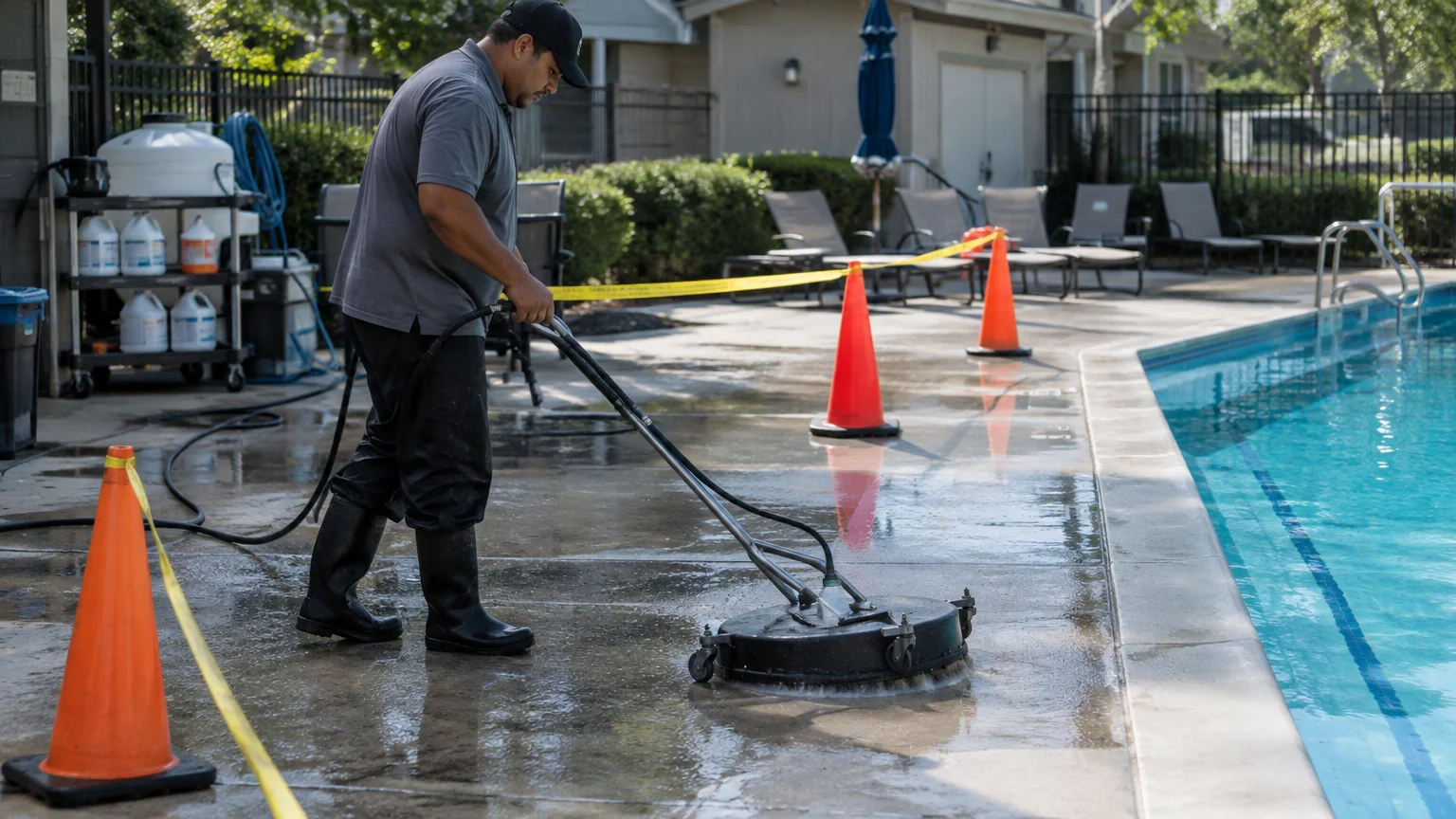
Pool equipment, air-conditioning units, grills, and outdoor kitchens may need special care. Keep these items accessible to the crew. Do not block them with stacked furniture or storage bins.
Protecting landscaping and preventing water from entering the home
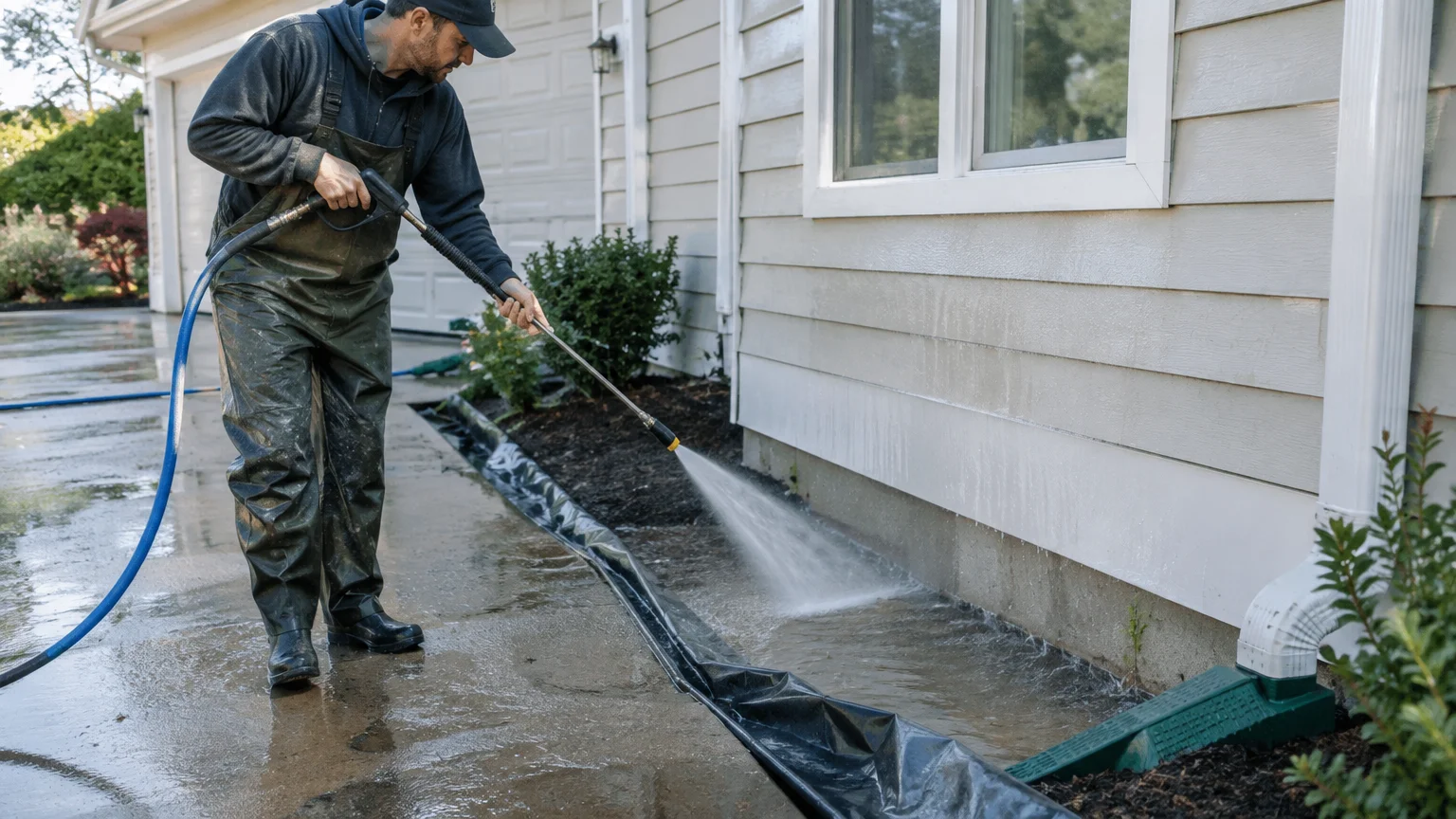
Water plants before service only if the professional advises it. Keep branches away from the walls when possible. Point out delicate flowers, new plantings, and places where runoff may collect.
A cleaning team can use suitable methods to protect nearby landscaping. Do not wrap plants tightly for a long time or place coverings against hot equipment. The goal is to shield sensitive areas while still allowing air to move.
Doors and windows must seal well. Check basement windows, garage doors, pet doors, and screens. If a window leaks during rain, tell the team before washing starts.
Pressure Washing Sandy Springs can help Sandy Springs property owners decide which items should move and which areas need extra care. Good preparation protects the property and the people who use it.
Should you close windows and check outdoor connections before washing?
Yes. Close and latch every window and exterior door before house washing starts. Also check vents, hose connections, outdoor outlets, and visible utility openings for loose covers or damage.
Securing windows, doors, vents, and utility openings
Close all windows, including basement and attic windows. Locking them can help keep the seal tight. Check sliding doors and screen doors because they may look closed while leaving a small gap.
Do not block required vents. Instead, point out vents that need careful treatment. Dryer vents, bathroom vents, and foundation vents should have secure covers. Report damaged covers before cleaning.
Look at hose bibs and pipe openings for leaks. A loose connection may let water reach a wall or crawl space. Share any known leak, damp spot, or past water issue with the cleaning team.
Managing electrical fixtures, hose connections, and exterior outlets
Outdoor outlets should have secure covers. Identify loose light fixtures, cameras, and doorbells. Never remove electrical parts or place tape over a damaged fixture as a quick fix.
The team may protect sensitive fixtures as part of its work plan. Still, your notes are helpful. A short list of concerns can prevent missed details during a busy service visit.
Anyone unsure about an electrical problem should contact a qualified electrician. Pressure washing is not the right way to test or repair wiring. Simple preparation is safe for most homeowners, but repairs belong to the right professional.
What cleaning concerns should you identify before house washing?
Point out mold, mildew, algae, dirt, rust marks, bird waste, and other buildup before cleaning. The type of growth and the surface below it can affect the cleaning plan. Stains that remain after washing may have a deeper cause.
Recognizing mold, mildew, algae, dirt, and other buildup
Mildew often appears as gray, black, or green growth in damp shade. Algae may form green streaks on siding or other outdoor surfaces. Dirt and pollen can cover large areas, while rust and irrigation stains may need separate treatment.
Do not assume every dark mark is mold. Some marks may be failed paint, tannin stains, oxidation, or surface damage. A professional can inspect the area and explain what cleaning may remove.
Mention places that stay wet, such as shaded walls, areas below leaking gutters, and spots near sprinklers. Fixing the water source may help keep the surface cleaner after washing. This can also help reduce repeat buildup.
Preparing for delicate surfaces and areas with stubborn staining
Siding, painted wood, stucco, and old mortar can be sensitive. A professional may test a small area before cleaning the full wall. This shows how the surface reacts to water and cleaning solution.
Do not mix bleach, acids, detergents, or other cleaners before the appointment. Some mixtures can harm plants, metals, finishes, or people. Let the cleaning team choose products that fit the surface and the type of buildup.
Exterior house pressure washing can help with many common marks, but it cannot repair damaged material. A clean wall may make cracks, faded paint, or worn caulk easier to see. That information can guide later maintenance.
What should homeowners avoid doing before professional house washing?
Avoid guessing at pressure settings, mixing chemicals, or hiding damage before service. Preparation should make the property safer, not create new risks. Most people can clear items and report concerns without using a pressure washer themselves.
Common preparation mistakes that can cause damage or delays
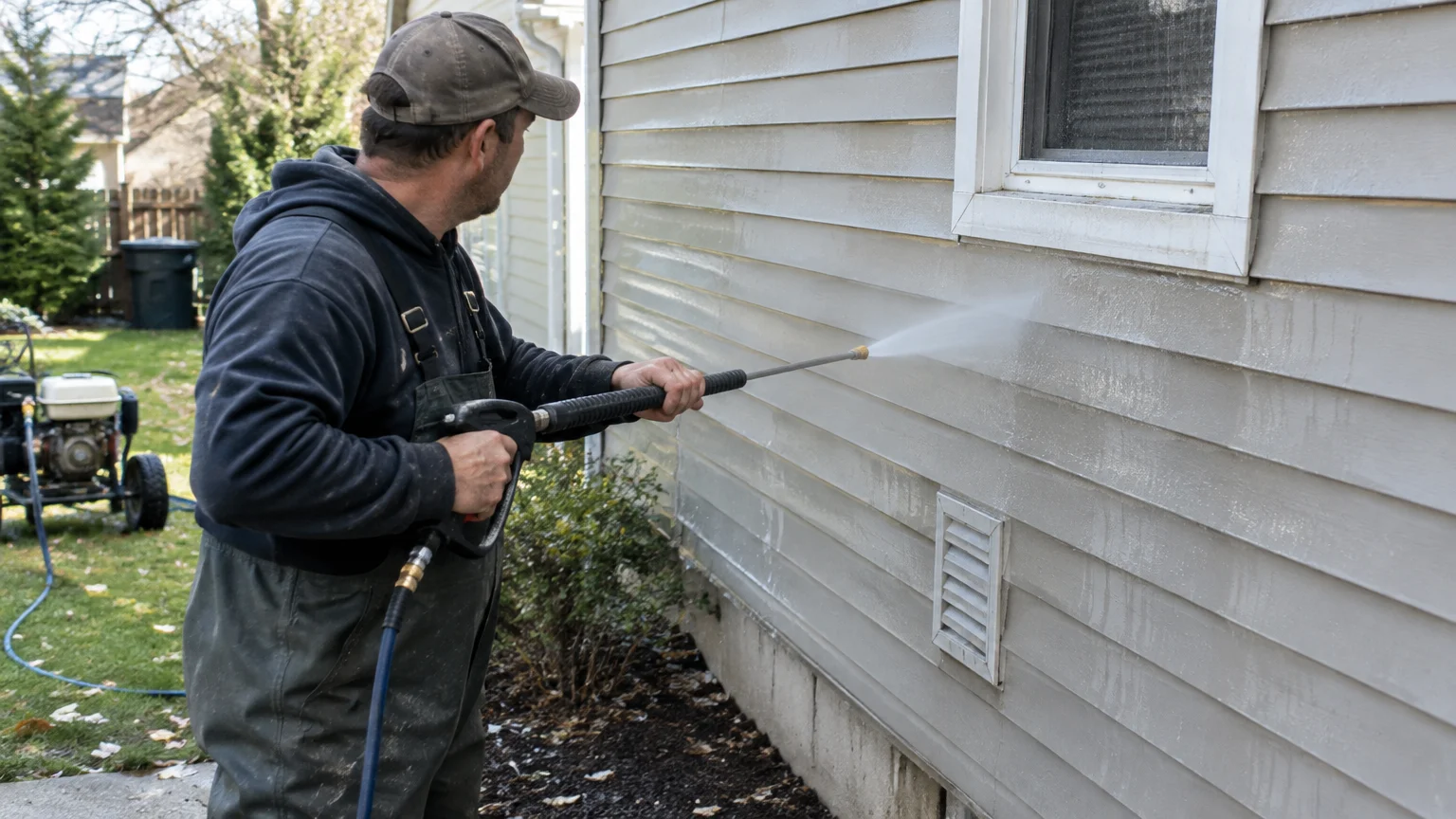
A common mistake is using a high-pressure nozzle on siding before the professional arrives. Water can get behind panels, strip paint, or damage soft material. Another mistake is using a strong product that reacts badly with the finish.
Searches for the right pressure washer setting are common, but no single setting suits every home. The right approach depends on the surface, nozzle, distance, water flow, and cleaning solution. A low-pressure soft wash may suit siding better than a forceful spray.
Avoid painting, sealing, or staining just before washing. Fresh coatings may not be ready for water. If a deck needs cleaning before staining, tell the cleaner about the planned project so the surface can dry and prepare properly. The same applies to cleaning a deck before restaining.
People also search for pressure washing costs before booking service. The final amount depends on the surface size, access, buildup, and work needed. It is confirmed on a quote after the property and requested work are reviewed.
When to leave surface testing and treatment decisions to professionals
Professional help is wise when a wall is fragile, tall, stained with an unknown substance, or close to delicate landscaping. It is also wise when the home has old paint, loose stucco, cracked mortar, or signs of water entry.
You do not need a professional to move chairs, close windows, or inspect visible damage. However, a professional should handle pressure testing, chemical choices, and work near unsafe heights. This protects the home and lowers the chance of injury.
What is the final exterior prep checklist before house washing?
The final checklist should confirm that the home is easy to reach, openings are closed, loose items are moved, and concerns are ready to discuss. A clear plan helps the cleaning team work safely. It also helps the homeowner understand what the service can and cannot fix.
Key takeaways for a safer, more efficient service visit
- Inspect every exterior wall for cracks, loose siding, worn paint, damaged trim, and open gaps.
- Close and latch windows and doors before the cleaning team arrives.
- Move furniture, toys, tools, decorations, and small equipment away from the work area.
- Point out plants, electrical fixtures, leaks, stains, and fragile surfaces that need care.
- Avoid mixing cleaners or testing high pressure unless a qualified professional directs the work.
Also check whether the crew can reach each side of the home. Open gates, keep pets inside, and move vehicles from the driveway when needed. These steps are simple, but they can prevent delays.
How to coordinate the next step with a house washing professional
Share your inspection notes before work begins. Tell the team which surfaces are included, where stains appear, and whether painting, deck cleaning, or repairs are planned afterward. The team can then choose a method that fits the property.
Pressure Washing Sandy Springs serves property owners who want careful exterior cleaning in and around Sandy Springs. Service areas include North Springs, Riverside, Dunwoody, Roswell, Brookhaven, East Cobb, and nearby communities. The same preparation can help homeowners, landlords, tenants, and business owners plan work around their property needs.
Frequently Asked Questions
What psi pressure washer do you need to clean siding?
There is no safe setting for every type of siding. Vinyl, wood, painted surfaces, and older materials can react differently to pressure and water flow. Many homes suit a soft wash method better than a forceful spray. A professional should test the surface and choose the safest approach.
How often should a house be power washed?
The right schedule depends on shade, moisture, dust, trees, weather, and the surface finish. A home near trees or damp ground may need attention sooner than a dry, open property. Watch for visible dirt, algae, mildew, and streaks instead of following one fixed schedule.
Can house washing remove mold and mildew?
House washing can remove much of the surface growth when the right solution and method are used. It may not remove deep stains, damaged paint, or growth caused by an ongoing moisture problem. The source of dampness, such as poor drainage or leaking gutters, may also need attention.
Should a deck be cleaned before staining?
Yes, cleaning a deck before staining helps remove dirt, algae, and old surface debris. The wood must then dry fully before stain is applied. A professional can advise on the cleaning method, drying time, and condition of the boards, especially when cleaning a deck before restaining.
Can homeowners prepare for house washing themselves?
Yes. Most homeowners can move loose items, close openings, secure pets, inspect visible damage, and share concerns with the team. They should leave pressure testing, chemical mixing, ladder work, and treatment choices to trained professionals when the task presents a risk.
Conclusion
Good preparation makes house washing safer and more predictable. A careful inspection, clear work area, closed openings, and honest notes about damage give the cleaning team a better starting point. These steps also help property owners understand what professional cleaning can and cannot fix.
For a home or business Pressure Washing Sandy Springs can review the property and help plan the next step. Contact us to arrange professional house washing for your property.