The what to expect pressure washing service guide starts with simple preparation. Move outdoor items, close windows, and make access clear. A professional then checks each surface, chooses a safe cleaning method, protects nearby areas, washes in sections, and reviews the finished work with you before leaving.
Table of Contents
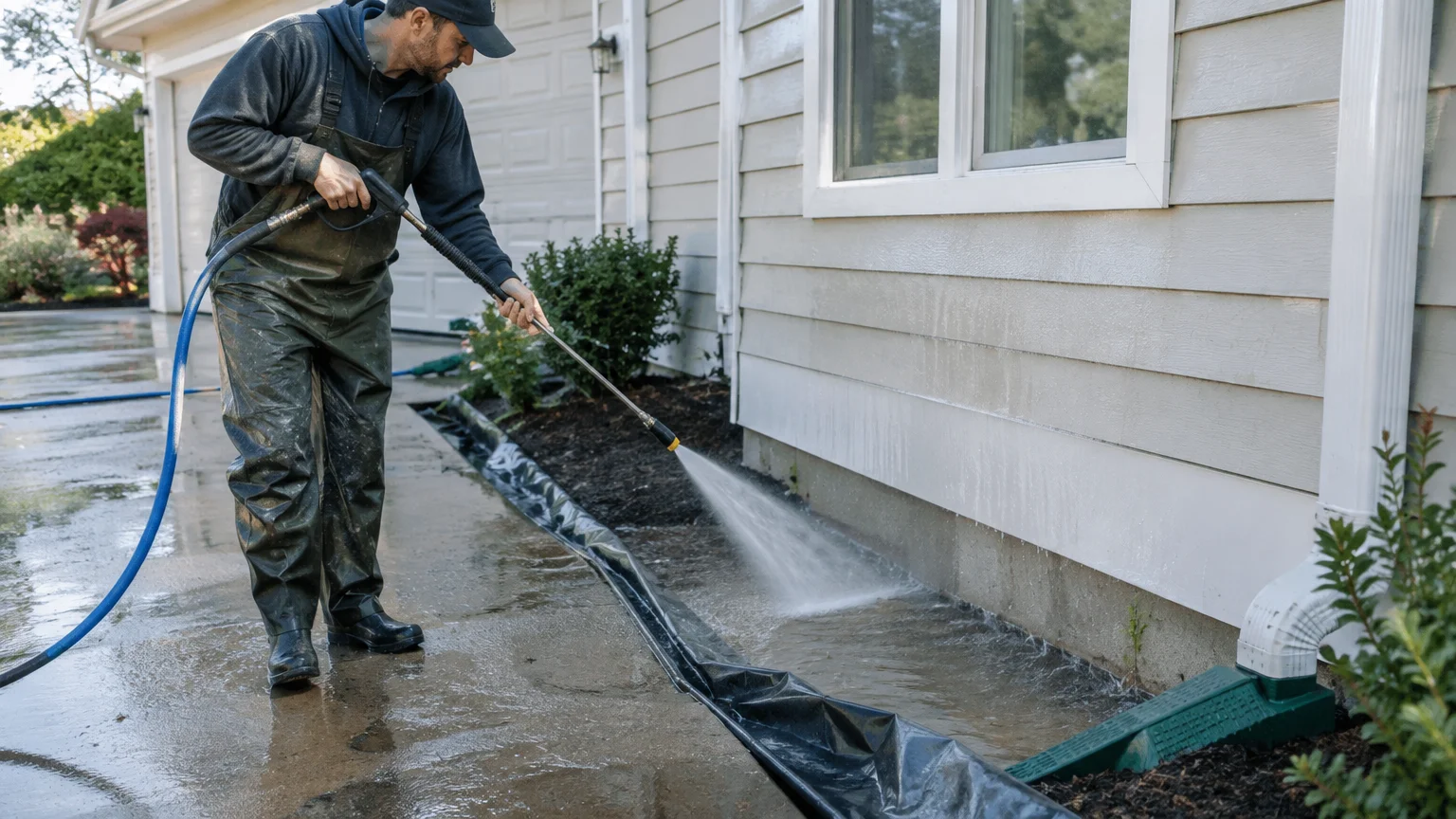
- What should you do before a pressure washing service arrives?
- What happens when the pressure washing professional arrives?
- How does a professional determine which house washing method to use?
- What happens during the house washing process?
- How long does a professional house washing appointment take?
- What should you inspect before the pressure washing crew leaves?
- What should you expect after a professional house washing appointment?
What should you do before a pressure washing service arrives?
Before the crew arrives, clear outdoor items and make the work area easy to reach. Move toys, planters, grills, furniture, and loose decorations. This protects those items and gives the technicians room to work. Move cars away from the home, driveway, and other cleaning areas.
How should outdoor areas be prepared?
Close all doors and windows. Tell the company about loose screens, damaged siding, leaking windows, cracked paint, or places that need repair. This helps the technician avoid making an existing problem worse.
Keep pets inside during the cleaning. Children should stay away from hoses, equipment, wet areas, and cleaning products. If a gate is locked, arrange access before the appointment. A clear path helps the visit go smoothly.
Unplug or move outdoor electrical items when possible. These may include lights, speakers, decorations, and extension cords. Point out irrigation controls, pool equipment, and outdoor kitchens during the first walk around the property.
What access and utilities may be needed?
The crew may need an outdoor water connection and a suitable power source. The setup depends on the equipment and the property. A technician can explain what the team needs before work starts.
Parking near the work area may help with hoses and tools. Still, the crew should not block emergency access, shared driveways, or public paths. In Sandy Springs, narrow lots, townhome rules, and neighborhood access limits may affect the setup.
Ask what you need to move and what the company will handle. Pressure Washing Sandy Springs can explain the work area, access needs, and surface concerns before the service day. Good planning helps everyone understand the visit.
What happens when the pressure washing professional arrives?
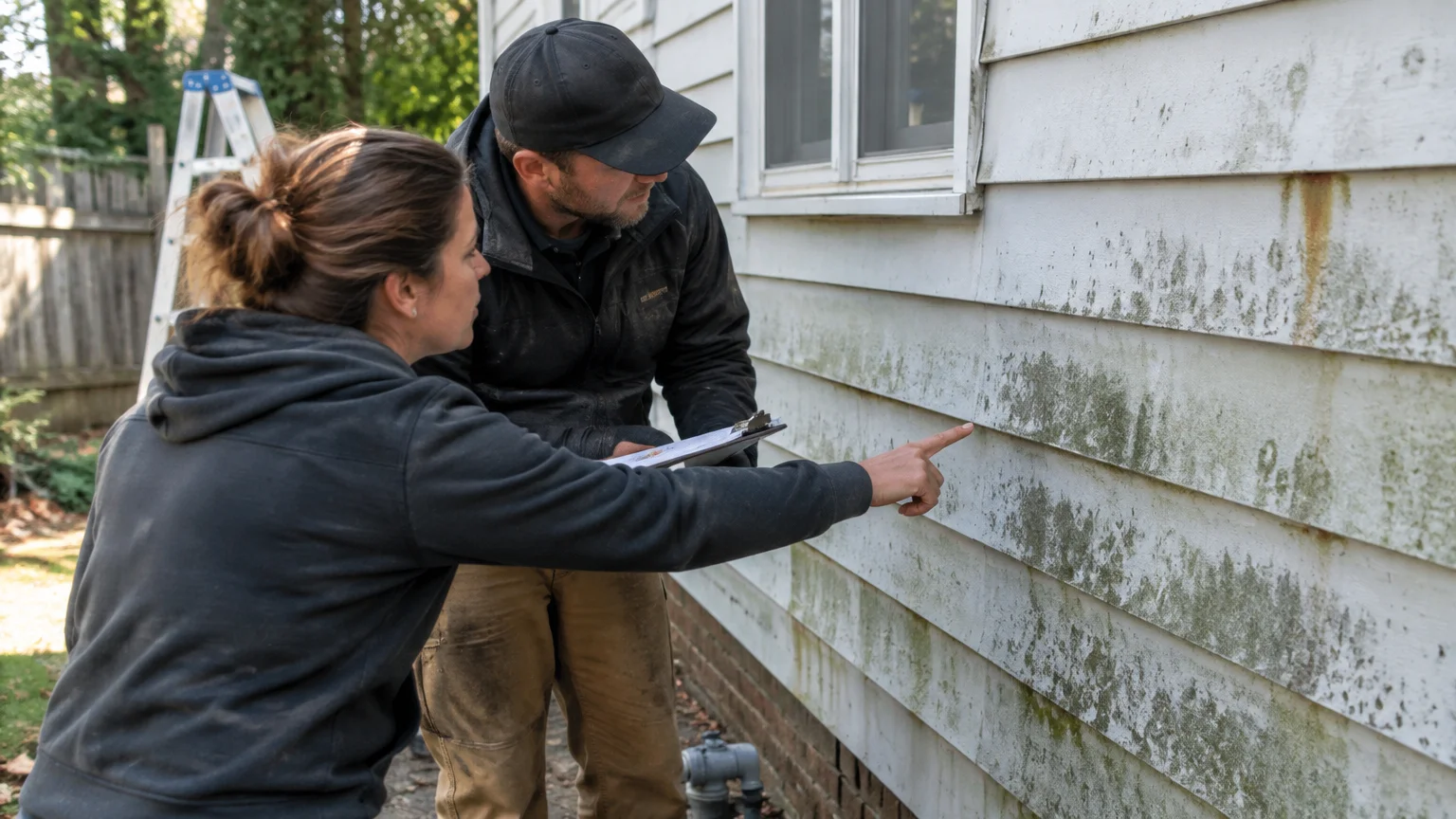
The first step is usually a short property review. The technician checks the surfaces, talks through the work, and confirms any areas needing extra care. Walk around the property with the crew if you can.
How does the initial walkthrough work?
The technician may check for mildew, algae, dirt, oxidation, stains, loose paint, damaged caulk, and weak surfaces. The walkthrough also helps find windows, vents, outlets, lights, plants, and other items that need protection.
A trained pressure washing contractor should explain the plan in plain words. The plan may use low-pressure cleaning, stronger pressure on hard surfaces, or a cleaning solution followed by a gentle rinse. Strong pressure is not always the safest choice.
Point out the surfaces that matter most to you. These may include the front entry, siding, porch, patio, garage door, fence, or driveway. Photos can help record marks or damage that existed before work began.
What questions should be asked before work begins?
Ask who will do the work, which surfaces are included, and how delicate areas will be protected. You can also ask if the crew is insured and if the company has worked with your type of siding, roof, deck, or masonry.
Useful questions include:
- Which cleaning method is planned for each surface?
- How will windows, plants, outlets, and outdoor furniture be protected?
- What existing damage should the homeowner know about?
- Which areas are included in the appointment?
- What should stay closed or off-limits during cleaning?
Clear answers are a good sign. Be careful if someone will not explain the plan or wants to start without checking the property. Homeowners in Sandy Springs, North Springs, Riverside, Dunwoody, Roswell, Brookhaven, East Cobb, and nearby communities can compare answers before choosing a company.
How does a professional determine which house washing method to use?
A professional chooses the cleaning method by checking the surface, buildup, and existing damage. Soft washing uses cleaning solution and low water pressure. Pressure washing uses stronger water force and suits some hard surfaces.
When is soft washing safer than high-pressure cleaning?
Soft washing is often better for siding, roof materials, painted surfaces, screens, and other delicate areas. It loosens organic growth and grime before a controlled rinse. The right method depends on the material and its condition.
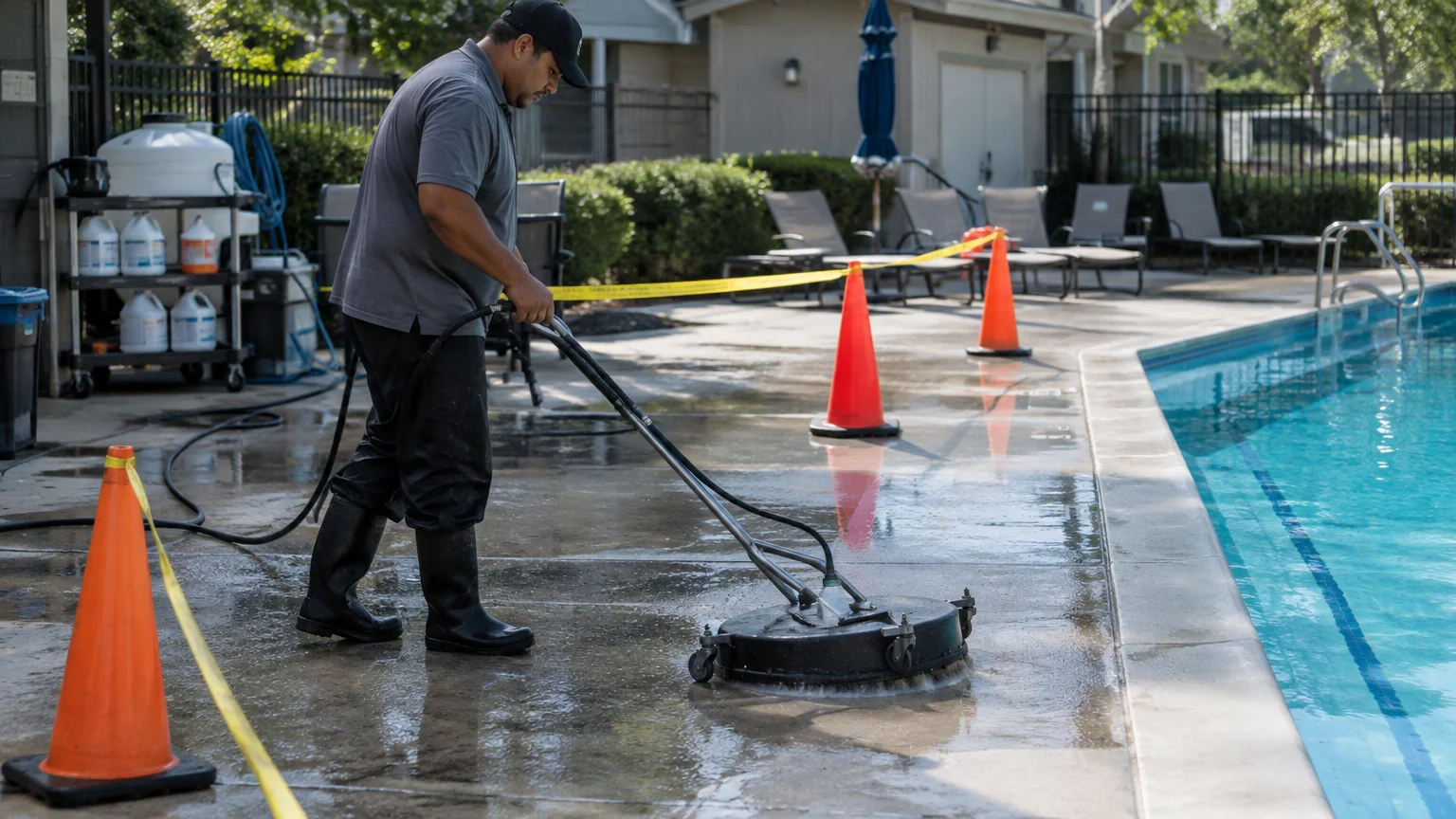
High-pressure cleaning may suit concrete, some pavers, and other hard surfaces. Even then, the technician should keep water away from cracks, joints, vents, and openings. Too much pressure can remove paint, scar wood, harm mortar, or push water behind siding.
The difference between pressure washing and soft washing is not only the machine. It also includes water force, cleaning solution, spray distance, nozzle choice, and surface safety. A professional changes the process instead of using one setting everywhere.
How do materials and damage affect the plan?
Vinyl siding, stucco, brick, wood, concrete, and painted metal all respond differently to water. A technician may test a small area before cleaning the whole surface. This helps confirm that the method will not cause unwanted changes.
Existing damage can change the plan. Loose boards, failed caulk, chipped paint, cracked mortar, and soft wood may need repair first. A careful company should explain these limits instead of hiding them.
You do not need a professional for every outdoor cleaning task. Light dust on a small, sound surface may be handled with a garden hose and gentle brush. Professional help is the safer choice for high, delicate, heavily stained, electrical, or hard-to-control areas.
What happens during the house washing process?
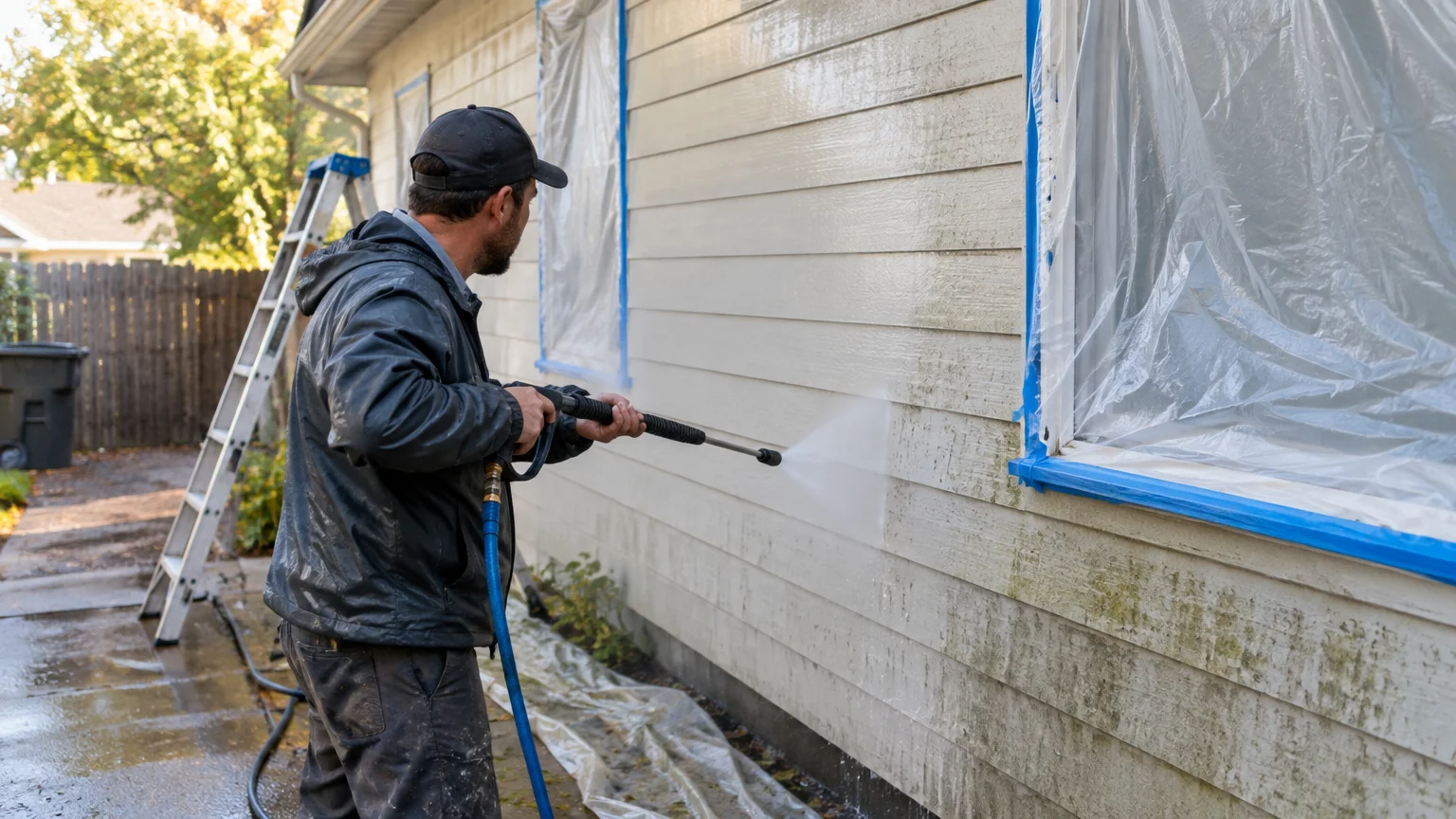
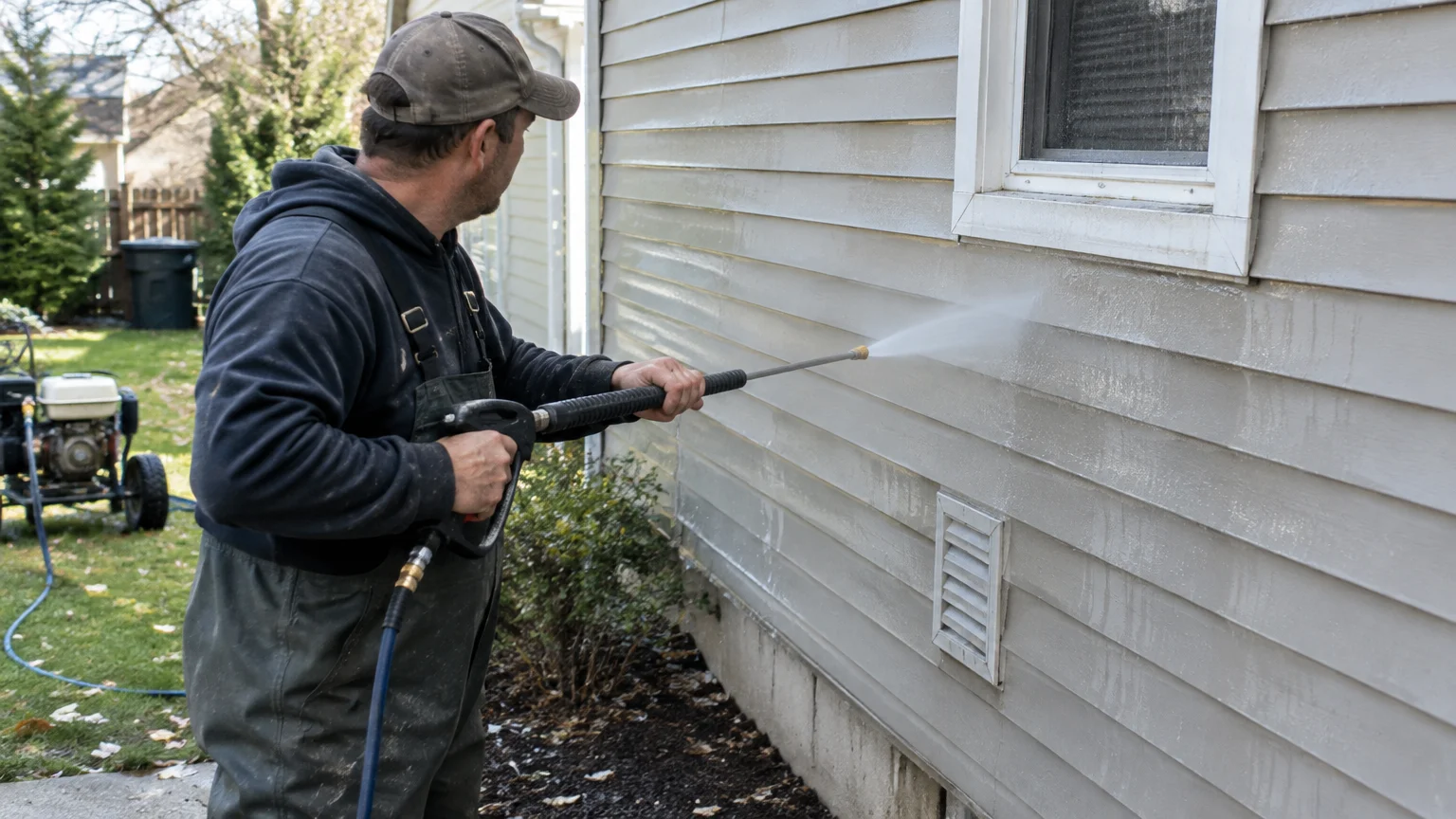
During house washing, technicians protect the property, apply the selected method, rinse each area, and check their progress. Work often moves from upper surfaces to lower ones. This helps keep dirty water from running over areas that are already clean.
How are plants, fixtures, and nearby surfaces protected?
The crew may wet plants before cleaning and rinse them again afterward. They may cover or move sensitive items, protect outdoor outlets, secure screens, and keep water away from vents. Mention any plants or fixtures that need special care.
Keep windows and doors closed during the wash. The crew should work carefully around seals, trim, lights, cameras, doorbells, and painted features. Water should not enter openings or pass behind loose siding.
Runoff must be handled with care. The technician may guide water away from doors, garages, landscaping, and nearby property. Local rules may affect how dirty water is managed near storm drains or shared walkways.
What is the usual cleaning sequence?

The order can vary, but the visit often follows these steps:
- The crew sets up hoses, equipment, and safety controls.
- Technicians protect plants, fixtures, windows, and nearby items.
- A cleaning solution or controlled spray loosens dirt and organic growth.
- Each area is rinsed with pressure and distance suited to its material.
- The crew checks the surface and repeats safe cleaning when needed.
- Equipment is removed, and the work area is rinsed and checked.
The goal is not to use the strongest spray. The goal is to clean without harming the surface. This matters for siding, patios, decks, fences, roofs, and brick.
How long does a professional house washing appointment take?
A house washing appointment may take part of a day. The schedule depends on the property and the work plan. Home size, surface condition, access, weather, and the number of areas all affect the timeline.
What affects the timeline of a residential job?
A small property with light dirt may be finished sooner than a large home with heavy buildup and limited access. Multiple stories, long hose runs, delicate surfaces, and careful protection can add time.
A house wash may be part of a larger visit with a driveway, patio, deck, fence, roof, or pool deck. Each surface may need a different method. Cleaning a wood deck, for example, takes more care than rinsing sound concrete.
The company should explain what is included and whether the team expects to finish all areas that day. A professional should not rush a surface just to meet an arbitrary schedule. Service estimates should account for the home’s size, access, materials, and cleaning needs.
Pressure washing costs can differ between a small walkway and a large home with several surfaces. Access, buildup, surface type, and extra protection all affect the final amount. The final cost should be confirmed on a quote after the work plan is clear.
Why can weather change the schedule?
Rain, strong wind, extreme heat, and freezing weather can affect cleaning. Wind may carry spray onto windows, plants, cars, or nearby property. Rain can make the final look harder to judge while surfaces remain wet.
Some cleaning solutions need time to work. Other surfaces need time to dry before they can be checked. If weather changes, the company should explain whether work can continue safely or needs to wait.
Keep the planned day flexible when possible. Pressure Washing Sandy Springs can help Sandy Springs property owners understand how access, weather, and surface condition may affect the visit. A fixed timeline is hard to promise before the property is seen.
What should you inspect before the pressure washing crew leaves?
Review the cleaned areas with the technician before the crew leaves. Use good light when possible. Surfaces may look different while wet, so ask which areas need more time to dry.
What should be checked during the final review?
Compare the finished areas with the original plan. Check siding, trim, doors, walkways, patios, decks, fences, and other included surfaces. Deep stains, rust, old paint marks, and permanent discoloration may need separate treatment or may remain partly visible.
Also check for:
- Missed bands, corners, edges, or sections beneath windows
- Water around doors, outlets, vents, and outdoor fixtures
- Moved or damaged plants, decorations, screens, or furniture
- Mud, dirty runoff, leaves, or debris left nearby
- Areas that need to dry before the result can be judged
Ask about anything that looks unclear before the team packs up. A good company can explain what was cleaned, what could not be removed, and whether another safe pass is suitable.
What should post-service cleanup include?
The crew should remove hoses, covers, tools, and protective materials. Plants and nearby surfaces may need a final rinse. Gates should be closed, and outdoor items should return only when it is safe. Water should not pool near the foundation or entry doors.
You should receive simple care instructions. These may include keeping windows closed until surfaces dry, avoiding wet areas, and watching for loose paint or damaged caulk that became easier to see after cleaning.
What should you expect after a professional house washing appointment?
After a professional house washing appointment, some areas may stay damp for a while. The final result often becomes clearer as water drains and surfaces dry. Keep people and pets away from wet areas until the technician says they are safe.
When do results become clear?
Siding and hard surfaces often look cleaner as they dry. Shaded areas may stay wet longer than sunny areas. Organic staining may also fade after the cleaning solution has had time to work.
A professional should not promise that every mark will disappear. Rust, oil, failed paint, permanent weathering, and deep discoloration may need another service. Report a concern promptly and describe the exact area.
Regular care can help outdoor surfaces stay cleaner. Clear leaves, keep gutters working, trim plants away from walls, rinse light dirt with a garden hose, and fix leaks quickly. These steps do not replace professional cleaning, but they can reduce buildup between visits.
How can homeowners maintain clean exterior surfaces?
Keep walkways and patios free of leaves and standing water. Check decks for loose boards and worn coatings. Watch siding for cracked caulk, open seams, and places where water may enter.
Roof cleaning, patio cleaning, deck cleaning services, fence cleaning, and commercial exterior work may each need a separate plan. Do not use one pressure setting or product for every surface. Solar panels also need care that follows the panel maker’s guidance.
Key takeaways
- Prepare access, windows, cars, pets, and outdoor items before arrival.
- Expect a walkthrough and surface review before cleaning begins.
- The safest method depends on the material, buildup, and damage.
- Inspect the work with the technician before the crew leaves.
- Keep wet areas clear and follow the care instructions.
Frequently Asked Questions
Should a homeowner be home during house washing?
You do not always need to stay home, but being there for the first walkthrough helps. The crew may need answers about access, fragile items, pets, damage, or priority areas. If nobody can attend, arrange clear entry instructions and share concerns before the appointment.
Can a homeowner pressure wash a deck without professional help?
You may clean a small, sound deck with care, but wood can scar easily. Use the right pressure, nozzle, distance, and cleaning method. Professional help is safer for high decks, weak boards, painted surfaces, heavy growth, or areas near electrical equipment.
What is the difference between pressure washing and soft washing?
Pressure washing relies more on water force. Soft washing relies on cleaning solution and low pressure. A professional chooses between them based on the surface and buildup. Soft washing is often safer for siding, roofs, painted areas, and delicate materials.
How should a homeowner prepare windows and doors?
Close and check all windows and doors for damaged seals or loose screens. Remove items near entries and tell the crew about leaks or cracks. Technicians should keep water away from openings, vents, outlets, and areas not made for spray.
What if a stain remains after cleaning?
Some stains are permanent or need another treatment. Rust, oil, old paint, and weathered marks may not respond to ordinary house washing. Ask what caused the mark, whether another method is safe, and whether repair or replacement is better.
A clear service-day plan helps protect your property and makes the finished work easier to judge. Pressure Washing Sandy Springs can explain preparation, cleaning methods, and the next steps for property owners. Contact us to discuss a professional house washing appointment.