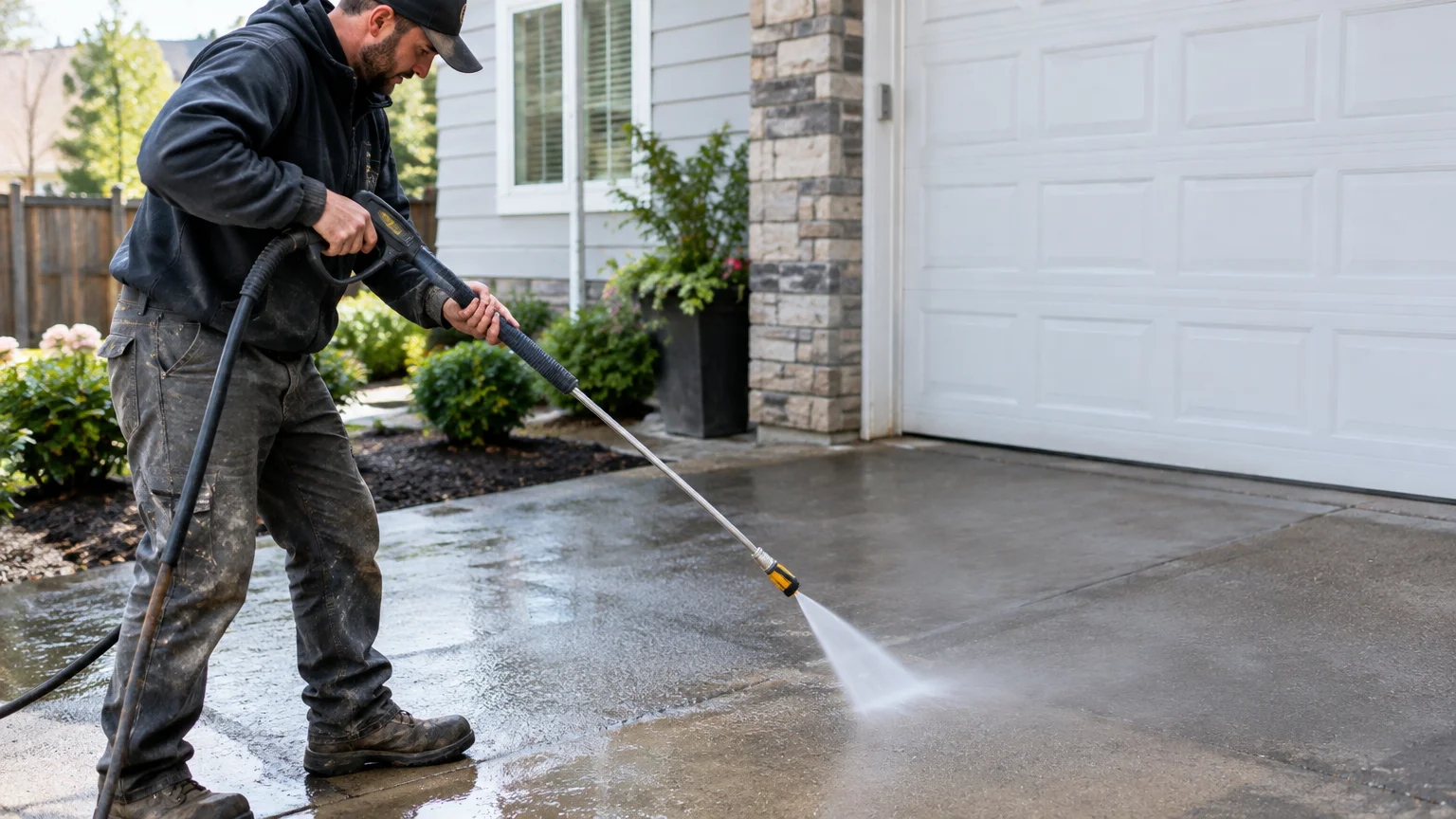
The best time to pressure wash house surfaces is during mild, dry weather in spring or fall. These seasons give siding, concrete, decks, and fences time to dry. Still, shade, pollen, storms, surface type, and local weather can matter more than the calendar. Sandy Springs property owners should check conditions before starting.
Table of Contents
- What is the best time to pressure wash a house?
- Is spring a good time to pressure wash your home?
- Should you pressure wash during the summer?
- When should you pressure wash in the fall?
- Can you pressure wash a house in the winter?
- How often should different exterior surfaces be pressure washed?
- How can you plan pressure washing throughout the year?
- Frequently Asked Questions
- Key takeaways
- Conclusion
What is the best time to pressure wash a house?
The best time is when the weather is mild, dry, and calm. A clean surface needs time to dry before rain, frost, or heavy dew arrives. Many homeowners choose spring or fall because the temperatures are easier to handle. Each property still needs a plan based on shade, surface material, and outdoor conditions.
How weather conditions affect pressure washing results
Weather can change how well a cleaning job works. Rain may rinse away cleaning solution before it loosens dirt. Strong wind can carry spray onto windows, plants, cars, or nearby homes. Very hot sun can dry a surface too fast and leave marks.
Cloudy weather can work well when rain is not expected. A light breeze is fine, but strong wind creates safety and overspray problems. The surface should also be above freezing. Ice can make walks slick and may harm water lines or equipment.
Sandy Springs weather can change during the day. A clear morning does not always mean the whole day will stay dry. Check the forecast before work begins, and allow enough time for the surface to dry.
Why surface condition matters more than the calendar
A calendar date cannot show what a property needs. A shaded wall may grow algae sooner than a sunny wall. A driveway near trees may collect leaves, sap, and dark stains faster than one in an open area. These signs matter more than a fixed cleaning month.
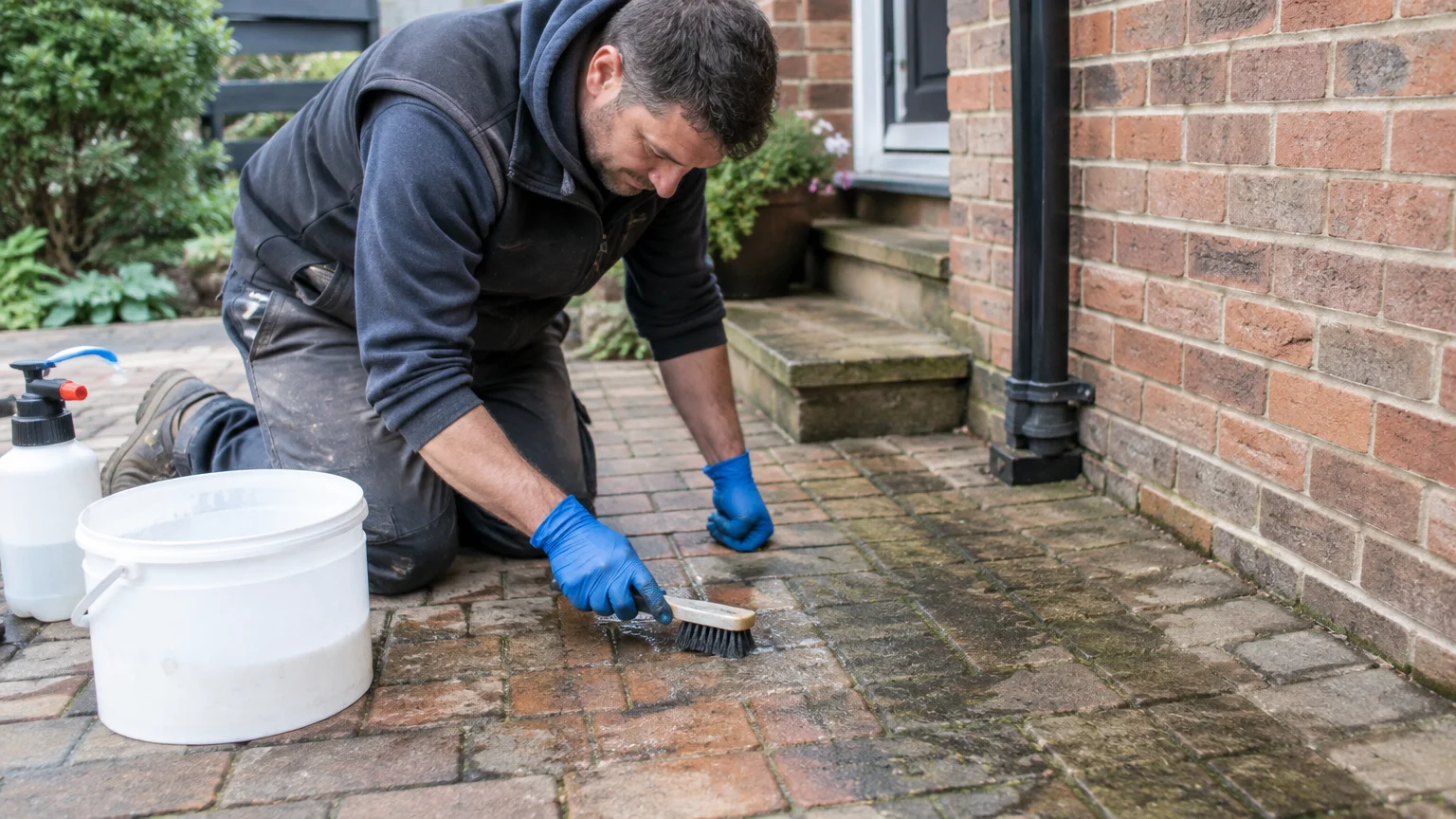
Pressure washing means using pressurized water to remove dirt and buildup. Some surfaces need a gentler method called soft washing. Soft washing uses lower pressure and a cleaning solution. It can be safer for delicate siding, roofs, painted areas, and older surfaces.
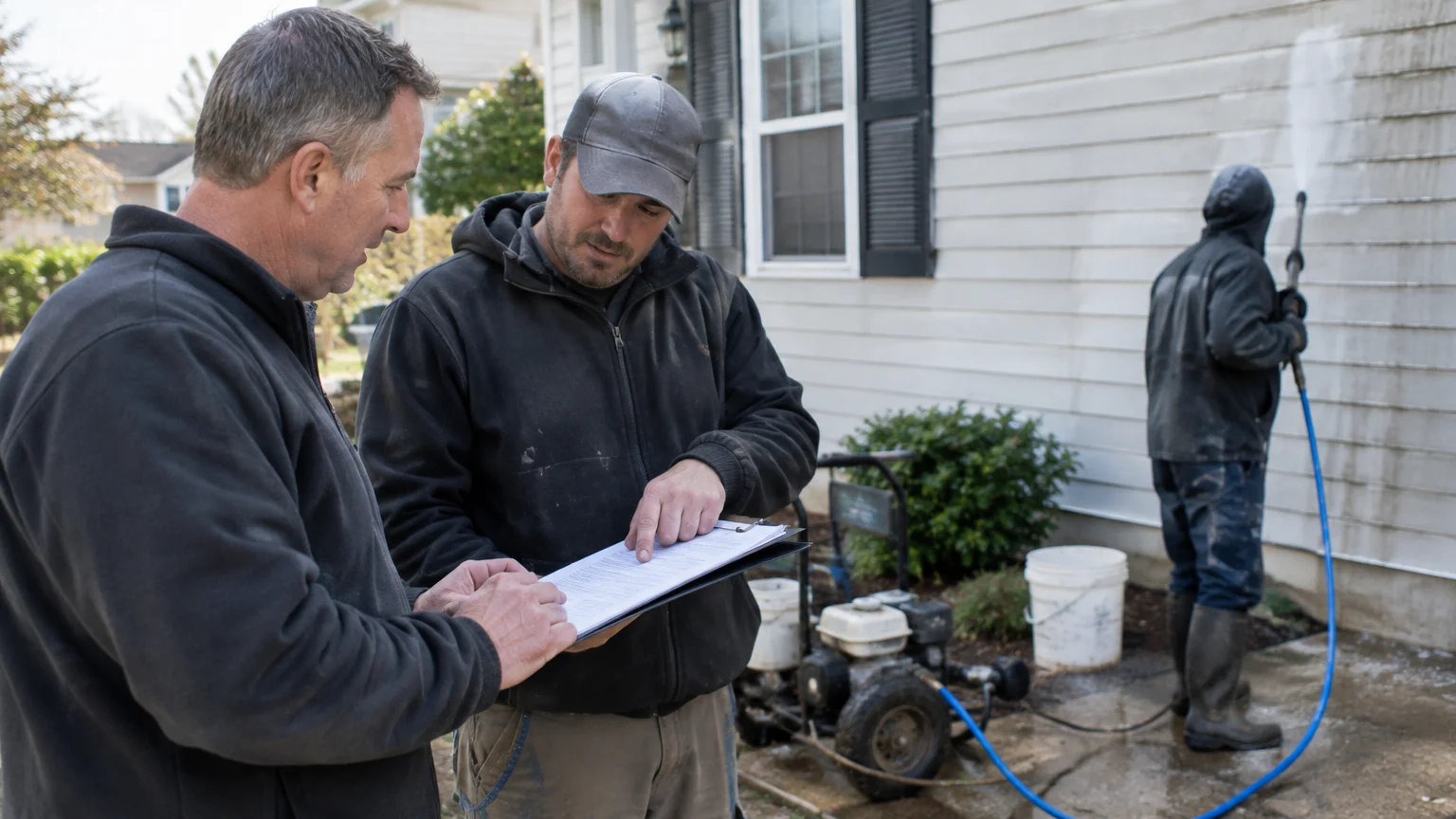
Pressure Washing Sandy Springs can help Sandy Springs property owners choose a safe time for each area. A careful plan protects the surface and helps the property stay clean. The right method also matters as much as the right season.
Is spring a good time to pressure wash your home?
Spring is often a good time to clean a home after winter. Warmer days can remove grime left by storms, wind, and damp weather. The best results often come after the heaviest pollen has settled and before outdoor areas see heavy summer use.
Removing pollen, mold, and winter grime
Spring cleaning can remove pollen from siding, windows, porches, and outdoor furniture. It can also clear mildew and dirt from places that stayed damp during winter. Pollen may return soon after cleaning, so timing should match local trees and plants.
Mold, mildew, and algae should not be ignored. They can make surfaces look dark or stained. They may also make paths slippery when wet. A suitable cleaning method matters because too much pressure can harm paint, wood fibers, mortar, or caulk.
Homeowners can sweep loose debris, rinse small items, and move plants away from work areas. They should avoid spraying electrical parts, damaged siding, loose paint, or unknown roof materials. Simple upkeep is useful, but hard stains and high areas may need trained help.
Preparing siding, decks, driveways, and patios for warmer weather
Spring is a useful time to check every outdoor surface. Siding may need a gentle wash. Concrete driveways and patios may need stronger cleaning for dirt and organic stains. Deck boards need care based on their wood type, finish, age, and condition.
A pool deck cleaning service may help before regular pool use begins. The same applies to patio cleaning before outdoor meals and gatherings. Deck cleaning can remove buildup, but the method should protect wood grain and nearby plants.
Spring also gives owners time to inspect fences, steps, railings, and walks. Note small cracks, loose boards, and peeling coatings before water reaches them. Sandy Springs homeowners can use this season to plan care for the whole exterior with Pressure Washing Sandy Springs.
Should you pressure wash during the summer?
Summer can be a good time for pressure washing when work is planned around heat, sun, rain, and water rules. Early morning or late afternoon often works better than the hottest part of the day. The surface should not be too hot to touch.
Choosing the right time of day for hot weather
Strong sun can dry cleaning products before they work. It can also cause streaks when one part of a wall dries before another. A shaded side of the home may be ready while a sunny side is still too hot.
Professionals often work in sections so water and cleaning products stay controlled. Windows, plants, lights, and painted trim need protection. A homeowner using a small washer should start with a wide spray pattern and low pressure. Keep the nozzle far enough away to prevent damage.
Summer storms create another concern. A clear morning may turn into a wet afternoon. Rain can delay drying and carry loose dirt back onto a clean surface. Check weather before work and again during longer jobs.
Managing fast drying, strong sun, and water restrictions
Hot weather increases water loss and drying speed. Local water rules may also limit outdoor cleaning at certain times. Property owners should check local rules before washing large areas, especially during dry conditions.
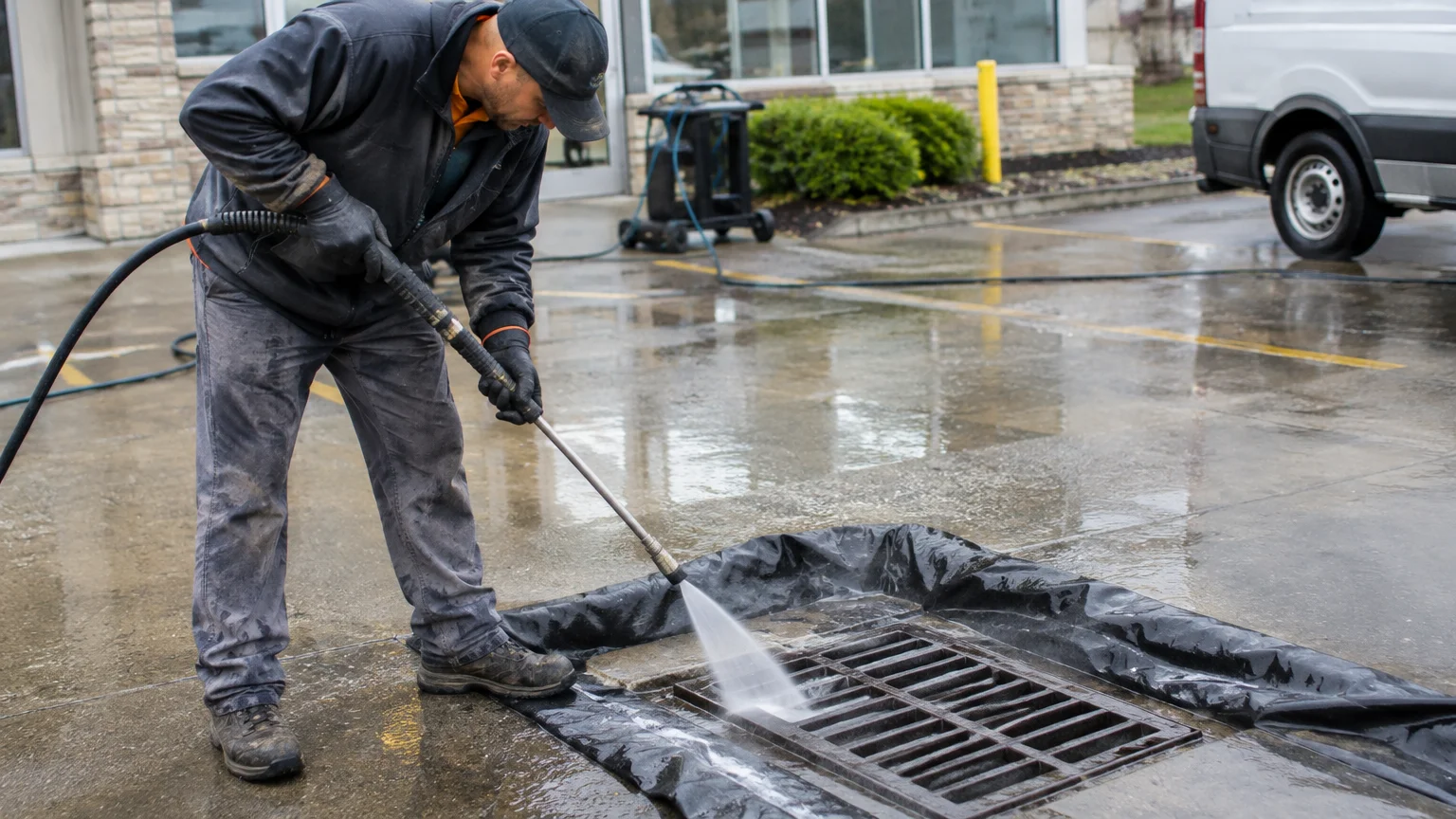
A professional may use controlled water flow and cleaning methods that fit the surface. This matters for commercial properties, rental homes, and larger buildings. A safe plan can reduce runoff and keep dirty water away from storm drains when local rules require care.
Summer is also useful for roof cleaning, but roof materials need special care. Walking on a roof can be dangerous. High pressure can remove protective granules or harm shingles. Solar panels should not be sprayed without checking the maker’s care instructions. Anyone asking who cleans solar panels near me should choose a team that understands panel surfaces and roof safety.
When should you pressure wash in the fall?
Fall is often a strong season for exterior cleaning before winter. The best time is after most leaves have dropped but before freezing weather begins. Cleaning too early may allow more leaves and sap to settle soon after the work.
Clearing leaves, organic debris, and seasonal buildup
Leaves hold moisture against siding, concrete, wood, and fences. They can leave stains as they break down. Wet organic debris may also make steps and paths slippery. Removing it helps the property stay cleaner through colder weather.
Clear loose leaves first. This makes it easier to see stains, cracks, and damaged areas. It also reduces material that could block drains or wash into unwanted places.
Driveway cleaning can help remove tire marks, dirt, and organic buildup before winter storms. Fence cleaning can remove green growth and damp grime. The method should suit wood, vinyl, metal, or painted surfaces.
Preparing exterior surfaces before winter weather
Fall cleaning can prepare outdoor areas for rain, ice, snow, and long periods of shade. Clean concrete is easier to check for cracks and uneven spots. Clean siding makes it easier to notice loose trim, failed caulk, or damaged panels.
Deck owners should check for soft boards, raised nails, and worn finishes before washing. Water should not be forced into gaps or damaged wood. Property managers may also inspect shared walks, parking areas, and entrances for slip risks.
Commercial owners can schedule parking lot cleaning before holiday traffic and winter storms. The work may remove dirt, gum, oil marks, and loose debris. Timing depends on site use, weather, drainage, and pavement condition.
Can you pressure wash a house in the winter?
Winter pressure washing is possible in some areas, but it needs mild weather and careful planning. Freezing temperatures, ice, snow, and cold wind can make exterior washing unsafe. Many homeowners wait until surfaces can dry without freezing.
When cold temperatures create cleaning and safety concerns
Water can freeze on walks, steps, driveways, and equipment. This creates slip risks for workers and residents. Frozen water may also expand inside small cracks and cause more damage.
Cold air slows drying. Damp siding, wood, and concrete may stay wet much longer. This can lead to ice, slippery areas, or new marks from dirt and runoff. Check a surface before and after cleaning.
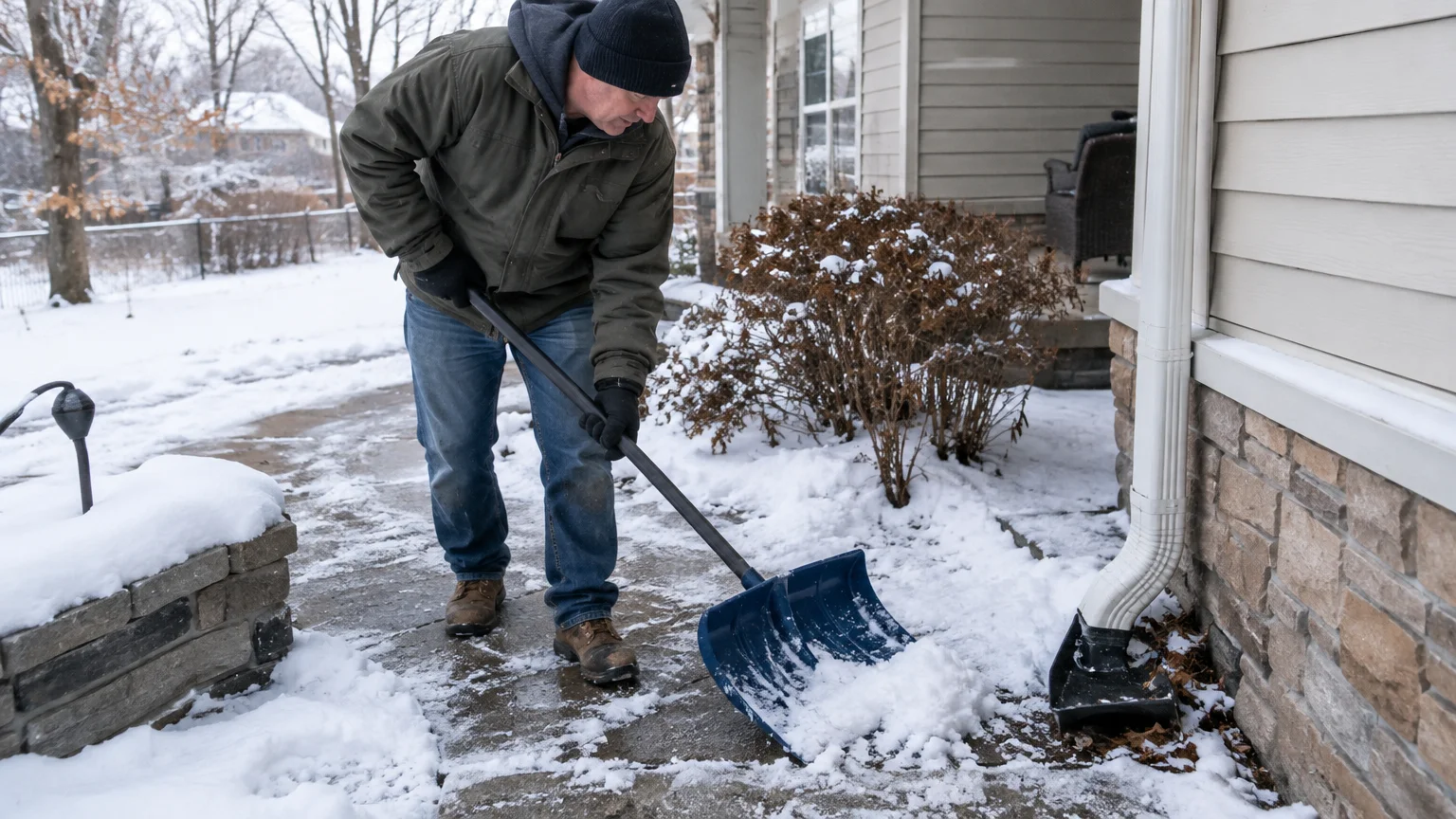
Homeowners can still handle simple winter upkeep. They can sweep dry leaves, remove light snow with safe tools, and keep drains clear. They should not use a pressure washer near frozen water, fragile surfaces, or exposed electrical parts.
Winter conditions that may require postponing exterior washing
Work should usually wait when temperatures may fall below freezing. It should also wait during snow, sleet, heavy rain, strong wind, or icy conditions. A short warm spell may provide a safe window, but the full drying time still matters.
Roof work needs extra caution in winter. Ice, frost, and steep slopes increase the chance of a fall. A roof cleaning plan should consider the roof material, access, runoff, and nearby plants. When conditions are poor, waiting is often safer.
The same care applies to tenants, investors, and business owners. A clean property is useful, but safety comes first. Pressure Washing Sandy Springs can review conditions for the main Sandy Springs area, including North Springs, Riverside, Dunwoody, Roswell, Brookhaven, East Cobb, and nearby communities. The team can explain which work should wait for a better weather window.
How often should different exterior surfaces be pressure washed?
Cleaning frequency depends on material, shade, moisture, traffic, trees, and nearby pollution. Many homes need a seasonal review and cleaning when visible buildup appears. A fixed schedule can help, but surface condition should guide the final choice.
Recommended timing for siding, concrete, decks, fences, and roofs
Siding often needs attention when dirt, algae, mildew, or pollen becomes clear. Concrete may need more care near trees, driveways, pools, and busy entrances. Decks and fences need a gentler approach because wood can split, fuzz, or lose its finish.
Roofs should not be cleaned with the same method used for concrete. Roof cleaning often needs low pressure and a material-safe solution. Check the maker’s guidance, and do not walk on a roof without proper training and safety equipment.
The following signs can help a property owner decide when a surface needs care:
- Green, black, or gray growth on siding, concrete, wood, or fencing.
- Slippery walkways, steps, pool decks, or patios after rain.
- Pollen, dirt, or leaf stains that remain after normal rinsing.
- Dark streaks or patches on roof areas needing a material-safe review.
- Oil marks, gum, tire marks, or heavy soil near business entrances.
Signs a surface needs cleaning before its usual schedule
A surface may need cleaning early after a storm, construction project, tree work, or long wet period. New stains can become harder to remove when they sit for months. Fast action may also help an owner spot damage before it spreads.
People who ask how to power wash a deck should first identify the wood type and finish. The same advice applies to how to pressure wash a deck or how to power wash a patio. The method should match the surface, not just the strength of the machine.
The difference between pressure washing and soft washing is mainly water pressure and cleaning method. Pressure washing uses stronger water force. Soft washing uses lower pressure and cleaning products to loosen organic growth. Both methods can help when chosen with care. When comparing soft wash vs pressure washing, surface safety should come first.
Homeowners do not need a professional for every task. Sweeping, moving furniture, rinsing small items, and clearing loose leaves are often safe jobs. Professional help is wise for roofs, ladders, electrical parts, fragile materials, large areas, and strong stains.
How can you plan pressure washing throughout the year?
A yearly plan starts with a property review, not a machine. List each surface, note its condition, and mark areas that need dry weather. This helps homeowners, businesses, tenants, and investors plan work before buildup becomes hard to remove.
Building a seasonal maintenance schedule for your property
A simple plan can follow the seasons:
- In spring, check siding, patios, decks, fences, and walks after winter.
- In summer, clean outdoor living areas while managing heat and drying speed.
- In fall, remove leaves and organic debris before freezing weather arrives.
- In winter, make safe inspections and postpone work during ice or freezing conditions.
The plan should include gutters, drains, steps, railings, pool areas, and entrances. Commercial properties may need separate dates for parking lots, storefronts, loading areas, and customer paths. Property managers should also consider tenant schedules and business traffic.
A written plan makes changes easier after unusual weather. A wet spring may require an earlier check. A dry summer may slow algae growth. A storm may create urgent debris or stain concerns.
When professional assessment is helpful for timing and surface care
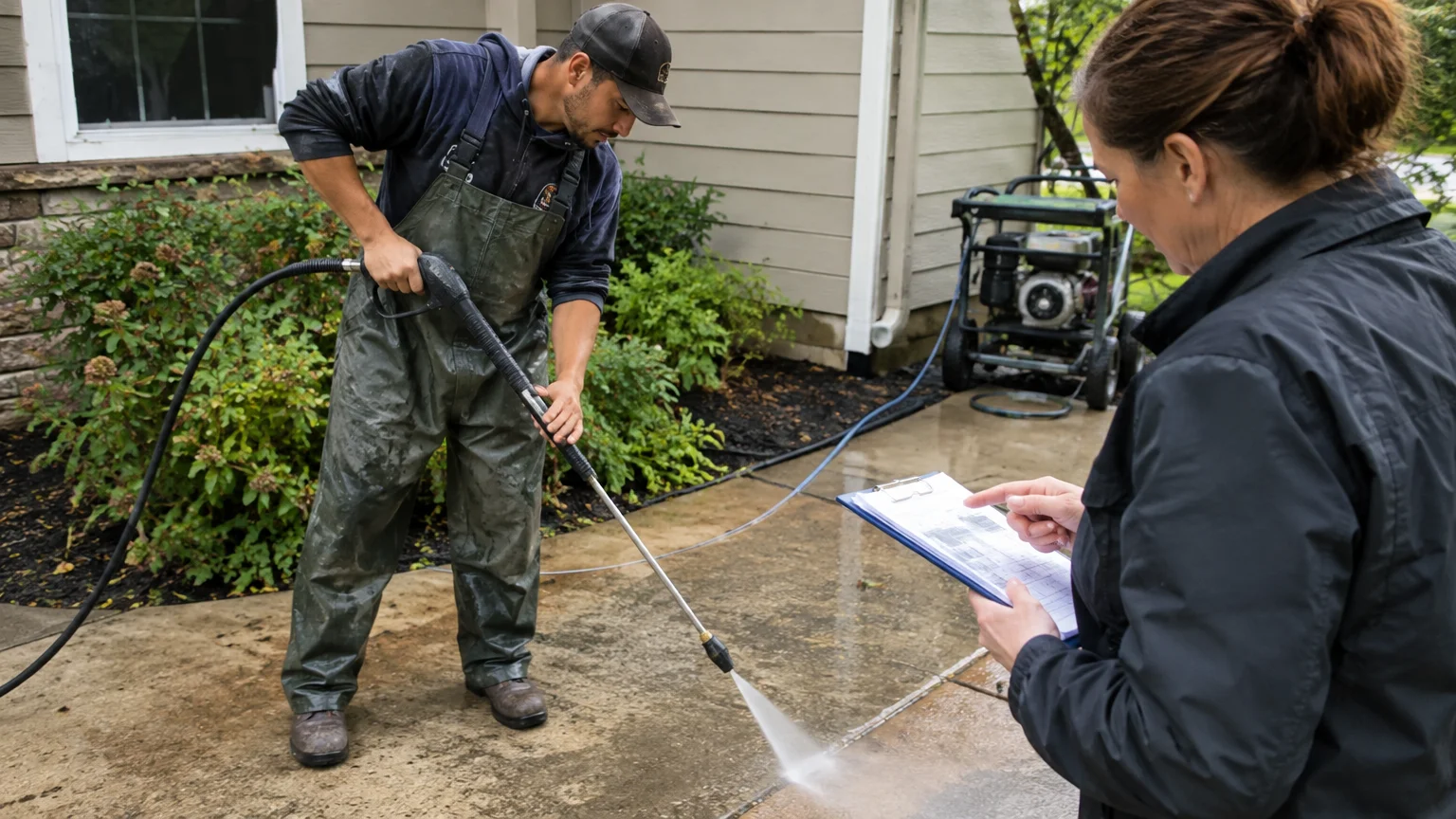
A professional assessment can help when a surface is high, delicate, stained, painted, or hard to identify. It can also help when a homeowner is unsure whether pressure washing or soft washing is safer. The assessment should explain the method, surface risks, and needed preparation.
A homeowner does not need a professional for every task. Sweeping, rinsing small outdoor items, moving furniture, and clearing loose leaves are often simple upkeep jobs. Professional help is more useful when ladders, roofs, electrical parts, fragile materials, strong stains, or large areas are involved.
Pressure Washing Sandy Springs serves property owners in and around Sandy Springs. Its team can compare seasonal timing with the condition of each surface. This helps create a plan that fits the property instead of a generic calendar.
Frequently Asked Questions
What is the best month to pressure wash a house?
There is no single best month for every property. Spring and fall often provide mild weather, but rain, pollen, shade, and freezing conditions matter. The best time to pressure wash house surfaces is a dry period when the surface can dry fully and workers can operate safely.
Is it better to pressure wash in spring or fall?
Both seasons can work well. Spring removes winter grime and pollen, while fall clears leaves and buildup before cold weather. The better choice depends on the property’s needs. A home with heavy tree cover may benefit from fall cleaning after most leaves have dropped.
Can pressure washing damage a deck?
Yes, high pressure can damage wood by cutting fibers, leaving marks, or forcing water into weak areas. Deck cleaning should match the wood, finish, age, and condition. A homeowner can sweep and rinse light dirt, but damaged or fragile boards need extra care before washing.
What is the difference between pressure washing and soft washing?
Pressure washing relies more on water force to remove dirt. Soft washing uses lower pressure and a cleaning solution to treat organic growth. Soft washing is often better for delicate siding, roofs, painted surfaces, and older materials. The right choice depends on the surface and buildup.
Can a home be pressure washed during cold weather?
It may be possible during a mild, dry period, but freezing conditions create safety and drying problems. Water may turn to ice on walks and steps. Most owners should postpone exterior washing during frost, snow, sleet, or temperatures that may fall below freezing.
What affects pressure washing costs?
Pressure washing costs can vary with the surface size, material, access, buildup, height, and amount of preparation. Roofs and delicate surfaces may need different methods than concrete. The final cost is confirmed on a quote after the property and requested work are reviewed.
Key takeaways
- Spring and fall often provide the best weather for exterior cleaning.
- Surface condition matters more than a fixed calendar date.
- Summer work should avoid extreme heat, strong sun, and restricted water times.
- Winter washing may be unsafe when water can freeze.
- Pressure washing and soft washing suit different surfaces and types of buildup.
Conclusion
The right cleaning season depends on weather, surface material, shade, moisture, and visible buildup. Spring can clear winter grime and pollen. Summer can prepare outdoor areas for regular use. Fall can remove leaves before winter, while winter work often needs to wait for safer conditions.
A simple annual plan helps property owners care for siding, concrete, decks, fences, roofs, patios, and business entrances. Pressure Washing Sandy Springs can help Sandy Springs homeowners and property managers review their surfaces and choose a practical time for care. Contact us to plan the next pressure washing service.